
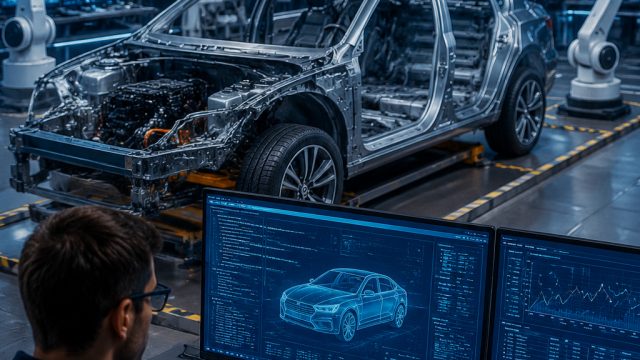
As the automotive industry continues to evolve, the integration of artificial intelligence (AI) is becoming increasingly critical. Recent developments indicate that AI is shaping every phase of software development, from initial design concepts to final evaluations. This shift is not just a trend; it represents a paradigm change in how automotive companies approach software lifecycle management.
AI's Expanding Role in Software Development
Traditionally, automotive software development focused on code generation and review stages. However, companies are now leveraging AI for tasks beyond mere coding. Initiatives from industry leaders illustrate this shift, emphasizing the importance of AI in validating product requirements documents (PRDs) and enhancing design inputs.
PRD Validation and Design Inputs
Validating PRDs has historically been a cumbersome task, often leading to miscommunication between stakeholders. AI tools can analyze PRDs more efficiently, ensuring that all requirements are aligned with the overarching project goals. This not only improves accuracy but also streamlines the development process.
- Enhances collaboration among teams
- Reduces time spent on revisions
- Increases overall project transparency
Code Review Transformation
In the past, code reviews were primarily human-driven efforts, often subject to personal biases or oversights. Now, AI enhances these reviews by providing data-driven insights and recommendations based on historical coding patterns. This evolution fosters a collaborative environment where developers can learn and improve their coding practices.
AI-Driven Governance Layers
One of the most significant advancements in automotive software development is the introduction of AI governance layers. These systems evaluate engineering artifacts—such as design documents, code snippets, and testing outputs—before they reach implementation stages. Companies like Uber and Cloudflare are leading the way in this innovative approach.
Benefits of AI-Driven Governance
AI governance offers a multitude of benefits, making the software development pipeline more robust:
- Risk Mitigation: By assessing potential risks before implementation, AI helps prevent costly errors.
- Informed Decision Making: With AI analyzing data, project managers can make more informed decisions about resource allocation.
- Enhanced Compliance: AI tools can ensure that all developments comply with industry standards and regulations.
The Human Element in AI Integration
Despite the advancements brought by AI, the human touch remains crucial in software development. The technology acts as an augmentation tool rather than a replacement for human creativity and decision-making. This partnership between AI and human expertise ensures that while efficiency is boosted, innovation and creative problem-solving are not sacrificed.
Maintaining Human Oversight
As AI takes a more prominent role in the automotive sector, it’s essential to maintain a balance between automation and human oversight. This approach includes:
- Regular training for developers on how to utilize AI tools effectively
- Encouraging feedback loops where human input can refine AI outputs
- Establishing clear protocols for governance and oversight
Conclusion: Embracing the Future
The automotive industry stands on the brink of a technological revolution, driven by the integration of AI throughout the software development lifecycle. As companies like Uber and Cloudflare enhance their processes, it is clear that the future will be defined by smarter, more efficient approaches to software governance. For automotive businesses, embracing these advancements is not just beneficial; it’s essential for staying competitive in a rapidly evolving market. Don’t wait—begin exploring how AI can transform your automotive software development practices today!
