
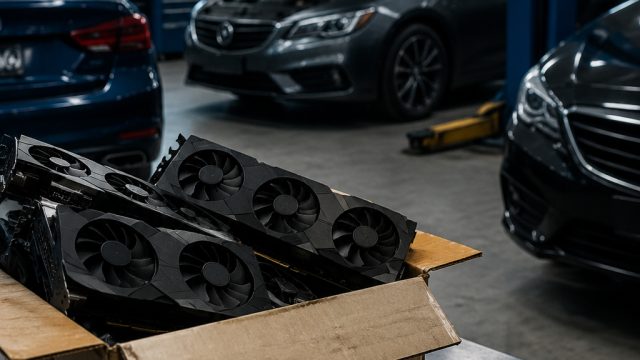
As the world becomes increasingly reliant on artificial intelligence (AI) for various applications, concerns regarding the integrity of the technology supply chain are coming to the forefront. Nvidia's CEO, Jensen Huang, has recently expressed serious concerns regarding the reliance on smuggled components in the construction of advanced AI data centers, a situation that could have dire implications for the tech industry.
The Growing Threat of Smuggling in Tech
In a recent statement, Huang highlighted that using components acquired through illicit means is a 'dead end' for innovation, as these parts often fail to meet safety and performance standards. This issue is particularly relevant now, as the demand for AI technologies escalates in various sectors, from automotive care to finance. The urgency to address these challenges is amplified by the increasing sophistication of AI applications.
Global Supply Chain Concerns
The global supply chain for technology is under intense scrutiny. Countries are becoming more cautious about allowing the import of high-tech parts that may not comply with regulatory standards. Huang's remarks serve as a reminder that reliance on smuggled components can lead to security vulnerabilities and ethical dilemmas. The situation raises critical questions about how businesses like Melzaar can ensure their technology is sourced responsibly.
The Implications for AI Development
With the rapid advancements in AI, the implications of using sub-standard components are significant. A compromised data center could lead to flawed AI systems, which in turn could affect various industries, including automotive, where precision and reliability are paramount. The potential for data breaches and cyber vulnerabilities increases when using such components, posing a risk to both businesses and consumers.
Regulatory Response and Industry Standards
Regulators in the U.S. are tightening their grip on technology imports, particularly from regions known for lax manufacturing standards. In response, companies are being urged to adopt stricter verification processes to prevent the use of smuggled and unauthorized components. The importance of adhering to industry standards cannot be overstated, as it directly impacts innovation and overall market health.
- Enhanced security measures are essential in safeguarding technology.
- Companies should invest in legitimate supply chains for reliability.
- Collaboration between governments and tech companies is vital.
- Consumer trust hinges on the integrity of tech products.
What This Means for the Future
As we look ahead, the need for ethical sourcing and production practices in technology becomes increasingly apparent. The automotive care industry, alongside others, must take heed of these warnings from Nvidia. The future of AI relies on the integrity of its components, and businesses must prioritize transparency and compliance.
Conclusion: A Call to Action
In conclusion, Nvidia's CEO's insights regarding the dangers of using smuggled components in AI development should serve as a wake-up call for companies across all sectors. The risks associated with compromised technology not only threaten individual businesses but also the integrity of the entire tech ecosystem. As we continue to integrate AI into various applications, it is essential to advocate for responsible sourcing and compliance with industry standards to ensure a secure and innovative future.
