
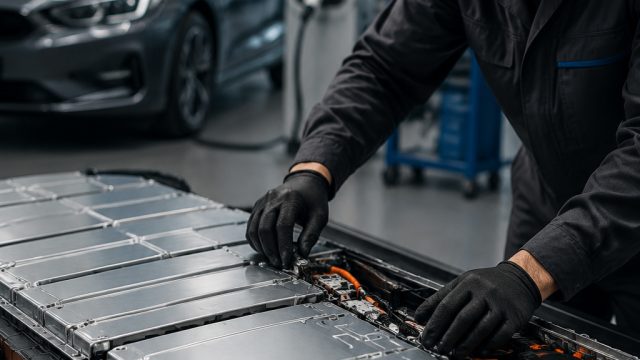
The electric vehicle (EV) market is evolving rapidly, with manufacturers continuously seeking improvements in performance and affordability. Slate, an emerging player in the budget EV segment, has recently made headlines by announcing a significant battery change in its affordable electric truck. This move, while seemingly technical, is a vital step towards enhancing the overall efficiency and attractiveness of their electric vehicle lineup.
The Rationale Behind the Battery Change
Slate's decision to transition from one battery type to another reflects a broader industry trend focused on optimizing electric vehicle performance. The motivation behind this strategic shift stems from several years of research and development aimed at meeting consumer demands for better range, quicker charging, and longer lifespan. As battery technology continues to advance, companies like Slate are capitalizing on these innovations to improve their offerings.
Consumer Demands Drive Change
In the competitive EV market, understanding consumer needs is crucial. Drivers today are not only looking for cheaper electric vehicles but also expect them to deliver superior performance. Slate’s leaders recognized the growing trend and emphasized the need for a battery that could provide:
- Extended Range: A battery that can power the vehicle for longer distances is essential for attracting buyers.
- Fast Charging: Speedy charging capabilities are increasingly important for convenience.
- Durability: Longer battery life translates to reduced maintenance costs for owners.
Industry Trends Supporting the Change
The push for improved battery technology aligns with several key trends shaping the automotive landscape today. Notably, the increased pressure to reduce carbon emissions and the global shift towards more sustainable transportation methods are critical factors. By adopting advanced battery systems, Slate not only enhances the performance of its vehicles but also contributes to a greener future.
The Push for Sustainability
As governments worldwide implement stricter regulations regarding emissions, manufacturers are compelled to innovate. Slate’s recent battery transition is a response to these regulatory pressures:
- Meeting Emission Standards: A more efficient battery can help reduce the carbon footprint of electric vehicles.
- Consumer Support for Sustainability: Today's consumers are increasingly eco-conscious and prefer brands that demonstrate social responsibility.
- Government Incentives: Many regions offer incentives for companies producing greener technologies.
What This Means for the Future of Slate's EVs
This battery switch is not merely a technical adjustment; it symbolizes Slate’s commitment to innovation and sustainability. As the company prepares for the upcoming launch of its revamped electric truck, stakeholders are optimistic about the potential impact on the market. Here’s what consumers can look forward to:
Enhanced Performance Features
The new battery technology is expected to deliver several enhanced features:
- Improved Efficiency: Greater energy density means less weight without sacrificing power.
- Lower Costs: Advances in manufacturing could lead to more affordable pricing for consumers.
- Smart Technology Integration: Enhanced batteries may support advanced monitoring and management systems for better user experience.
Market Implications
The change could shift market dynamics significantly. With a well-placed battery system, Slate can compete more effectively against established EV manufacturers. This strategic adjustment may:
- Attract New Customers: Offering more efficient vehicles could draw in environmentally conscious buyers.
- Increase Market Share: A competitive edge in pricing and performance could elevate Slate’s position in the EV market.
- Encourage Innovation Across the Industry: Other manufacturers may follow suit, accelerating the overall pace of technological advancement in the sector.
Conclusion: A Step Towards a Greener Future
Slate's recent battery change in its budget electric truck captures a pivotal moment in the evolution of electric vehicles. As manufacturers face mounting pressures to innovate and prioritize sustainability, their choices will undoubtedly shape the industry's future. Consumers can expect more efficient, affordable, and performance-driven electric vehicles, paving the way for a greener tomorrow. The excitement surrounding this transition indicates a promising future for electric mobility, encouraging further exploration and investment in cutting-edge automotive technologies.
