
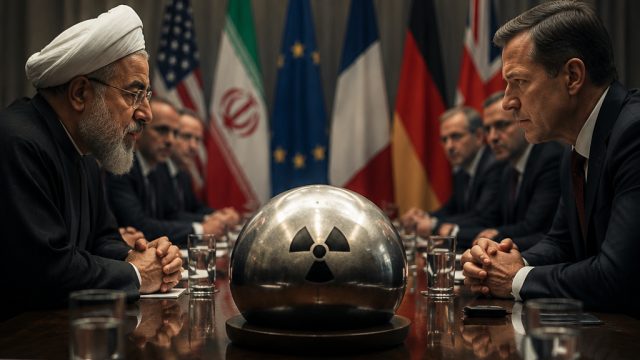
The geopolitical landscape in the Middle East is shifting as Iran firmly denies any plans for nuclear site inspections while asserting its control over the strategically crucial Strait of Hormuz. This development arrives in a context where international relations remain fraught, with implications that reach far beyond the region.
The Context of Iran's Nuclear Program
Iran's nuclear ambitions have long been a source of contention globally, raising concerns about potential military applications of its program. Recently, Iranian officials have reiterated their resistance to allowing inspections of certain nuclear facilities. This refusal is pivotal, especially following a series of statements from international leaders urging for greater transparency and compliance with nuclear non-proliferation agreements.
The Role of International Watchdogs
- Iran's commitment to nuclear oversight is under scrutiny.
- International Atomic Energy Agency (IAEA) faces challenges in monitoring.
- Potential consequences of non-compliance could lead to further sanctions.
As Iran continues to assert its position, the IAEA's role becomes increasingly complicated. The agency has expressed concerns regarding access to certain sites where nuclear activities are believed to be taking place.
Strait of Hormuz: The Nexus of Global Energy Supply
The Strait of Hormuz, through which a significant portion of the world's oil supply is transported, remains a focal point in this discourse. Iran has made it abundantly clear that it will not entertain any discussions that might compromise its control over this vital waterway. This stance is particularly alarming for global markets, as any disruption in this area can lead to significant economic repercussions.
The Economic Implications of Tensions
- Oil prices are sensitive to geopolitical stability in the region.
- Potential for increased shipping insurance costs.
- Impact on global trade routes and energy supply chains.
As tensions rise, markets react swiftly. Analysts are monitoring oil price fluctuations as any hint of instability in the Strait could lead to spikes in prices, affecting not just the regional economies but the global market as a whole.
Global Reactions and Possible Outcomes
The international community has responded with a mix of caution and criticism. Nations that rely heavily on stable oil prices are particularly vocal about the need for Iran to fulfill its international obligations regarding non-proliferation. In contrast, hardline factions within Iran may see this as an opportunity to bolster nationalist sentiment.
Potential Scenarios
- Increased diplomatic pressure from Western nations may lead to negotiations.
- Continued defiance by Iran could trigger a military response from regional powers.
- Escalation could result in a wider conflict, drawing in multiple nations.
Understanding these dynamics is crucial for anyone interested in global politics and security. The outcome of this situation could set precedents for how nations interact regarding nuclear capabilities and regional security protocols.
Conclusion: Implications for the Future
As Iran stands firm on its nuclear stance and the control of the Strait of Hormuz, the world watches closely. The balance of power in the Middle East hangs in a delicate equilibrium, influenced by Iran’s actions and the reactions of other nations. The ramifications of these developments could shape not only the region's future but also the dynamics of international relations for years to come.
Staying informed about these issues is crucial for understanding the complex fabric of global diplomacy and security. For more insights into automotive care and the impact of global events on local markets, keep following Melzaar.
