
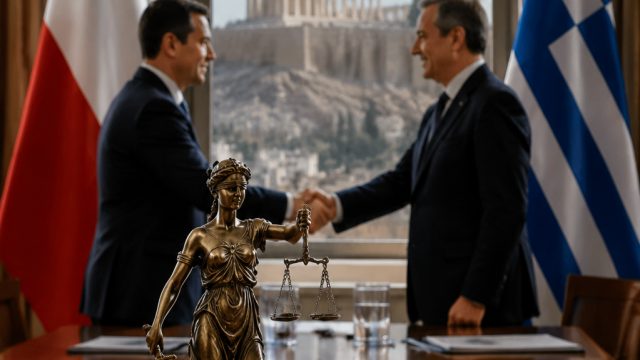
In a significant historical turning point, Poland has witnessed a breakthrough in its long-standing pursuit of German reparations, which raises critical questions about similar claims from Greece. After 85 years of waiting, Poland has finally received acknowledgment from Germany regarding its obligations to pay reparations for the atrocities committed during World War II. This development not only highlights Poland's perseverance but also sets a precedent that could inspire Greece to pursue its own claims.
The Context Behind Poland's Success
The issue of reparations has been a contentious topic in Europe, particularly among nations that suffered under Nazi occupation. Poland’s recent success can be attributed to a combination of legal advocacy and public sentiment, which has kept the conversation alive for decades. The commitment from Germany to officially address these debts is seen as a historic acknowledgment that may reshape the dialogue around reparations in Europe.
Historical Background
Poland's demands for reparations are rooted in the extensive devastation it faced during the war, which included loss of life, cultural heritage, and economic destruction. The Polish government has long maintained that the reparations offered shortly after the war were insufficient, leading to calls for a review of the issue.
The Legal Framework
- International Treaties: Several treaties post-World War II addressed reparations, but many nations argue these agreements were not comprehensive.
- Legal Precedents: Cases in international courts have paved the way for claims like Poland's to gain traction.
Implications for Greece
As Poland progresses in its quest for reparations, Greece may find encouragement to revisit its own historical claims against Germany. Greek officials have previously indicated potential for new demands, particularly as the political landscape shifts and public sentiment grows stronger.
Similar Historical Grievances
Greece, like Poland, suffered immense losses during the occupation. The atrocities committed against the Greek people, combined with the economic toll, have led to ongoing calls for reparations from Germany. As Poland's claims progress, Greece could leverage this momentum to reinforce its own case.
Strategic Considerations for Greece
- Public Support: Engaging the public in discussions about historical injustices can foster a stronger national narrative around reparations.
- International Partnerships: Aligning with other nations pursuing similar claims can amplify Greece's voice on the international stage.
- Legal Action: Exploring legal avenues, including appeals to international courts, can help substantiate Greece's claims.
The Role of Future Generations
The conversation around reparations is not just a matter of financial compensation; it's about acknowledgment and reconciliation. Future generations in both Poland and Greece stand to benefit from these discussions, as they seek a clearer understanding of their historical narratives and the injustices of the past.
Educational Initiatives
Incorporating the history of World War II and its effects into educational curriculums can help foster a greater understanding among young people regarding the importance of reparations. By emphasizing the historical context, these discussions can be grounded in facts, making the arguments for compensation more compelling.
Conclusion
As Poland moves forward with its reparations claims, Greece is presented with a unique opportunity to revisit its historical grievances and articulate its demands with renewed vigor. The acknowledgement of Poland's suffering by Germany may not only facilitate compensation for the Polish people but also inspire Greece to seek justice for its own historical injustices. The ongoing dialogue surrounding reparations could pave the way for healing and mutual recognition among nations that endured the atrocities of the past.
