
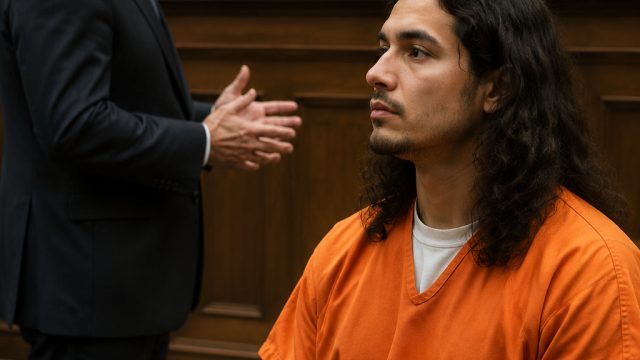
In a significant legal decision that has sparked widespread discussion, a court has ruled that a former inmate from Louisiana cannot pursue a lawsuit against prison officials regarding his right to maintain long hair for religious reasons. This ruling not only impacts the individual involved but also raises broader questions about the intersection of personal freedoms and institutional regulations in correctional facilities.
The Background of the Case
The case centers around a former Louisiana inmate who argued that his religious beliefs required him to grow his hair long, aligning with the tenets of his faith. The inmate claimed that prison officials had unlawfully enforced grooming standards that directly conflicted with his religious practices. This situation is not unique; many inmates face similar conflicts between personal belief systems and the rules established within correctional institutions.
Understanding the Legal Framework
Prison regulations are designed to maintain order and safety; however, they often confront the First Amendment rights of inmates, which protect their freedom of religion. This recent ruling serves as a reminder of the delicate balance courts must strike between upholding institutional discipline and respecting inmates' constitutional rights.
Implications of the Ruling
The implications of this ruling are multifaceted and will likely influence ongoing debates around inmates' rights across the country. Here are some of the critical aspects:
- Setting a Precedent: This ruling may serve as a precedent for similar cases across various jurisdictions, potentially shaping how courts interpret inmates' religious freedoms in the future.
- Impact on Prison Policies: Correctional facilities may need to reassess their grooming policies to ensure they align with legal standards and respect religious practices.
- Awareness of Inmate Rights: The case highlights the importance of awareness regarding inmates' rights and fosters discussions about what constitutes fair treatment within prison systems.
Broader Context: Inmates' Rights in America
This ruling comes at a time when many are advocating for a reevaluation of how the justice system treats incarcerated individuals. There has been a growing movement to ensure that inmates are afforded basic human rights, including the right to express their religious beliefs.
Cultural Shifts and Legal Challenges
As society progresses, more instances arise where inmates challenge correctional policies in court. Issues surrounding hair length, clothing choices, and dietary restrictions often surface as focal points in these disputes. For instance, some recent cases have dealt with:
- Religious dietary requirements
- Grooming standards
- Access to religious texts and gatherings
With growing support for prisoners’ rights, upcoming court cases may very well expand the scope of protections available to those behind bars, particularly in relation to personal and religious expression.
Next Steps for Advocacy Groups
For advocates of inmates' rights, this ruling represents both a challenge and an opportunity. Organizations dedicated to reforming prison policies are likely to use it as a rallying point to push for more significant reforms in correctional institutions.
Actionable Steps for Supporters
Here are some strategies that advocates may consider:
- Engage in public awareness campaigns about inmates’ rights and the importance of religious freedom.
- Collaborate with legal experts to provide resources for inmates facing similar issues.
- Lobby for legislative changes that protect personal beliefs within correctional settings.
Conclusion
The recent court ruling regarding the Louisiana inmate is a pivotal reminder of the ongoing struggles between institutional regulations and the rights of individuals. As discussions continue and more cases emerge, the importance of protecting religious freedoms for all, including those in prison, cannot be overstated. This situation encourages society to reflect on how justice is administered and highlights the necessary advocacy for reform in the name of personal rights.
