
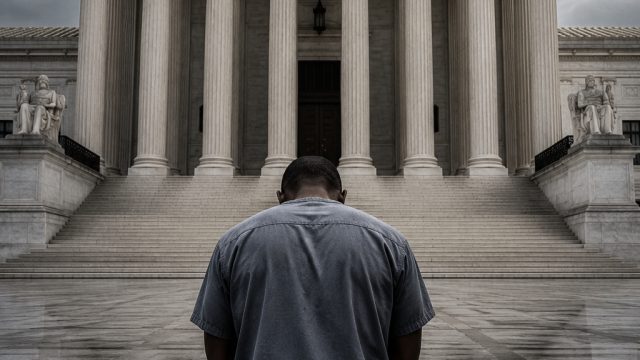
In a decision that raises significant concerns about the protection of religious freedoms in correctional facilities, the Supreme Court has barred a Rastafarian inmate from suing prison officials over the forced shaving of his dreadlocks. This ruling, viewed by many as a setback for inmates' rights, underscores the ongoing tension between institutional regulations and individual beliefs.
The Case at a Glance
The case revolved around a Rastafarian inmate who argued that his hair was a vital expression of his faith. When prison guards forcibly cut his dreadlocks, he claimed it violated his religious rights. However, the Court's ruling has now set a precedent that raises questions about the extent of protections offered to inmates regarding their personal beliefs.
Background of the Inmate’s Claims
- The inmate, whose identity has not been publicly disclosed, was incarcerated in a facility that maintained strict grooming policies.
- He maintained that his dreadlocks held deep spiritual significance, representing his faith and identity.
- Following the incident, he sought legal recourse, arguing that the actions of the prison guards constituted a violation of the Religious Land Use and Institutionalized Persons Act (RLUIPA).
Implications of the Ruling
This decision carries substantial weight for future cases involving religious freedoms in prisons. Legal experts argue that the Court's refusal to allow the lawsuit implies that corrections officials may have broader authority to regulate inmates' appearances and practices under the guise of maintaining order and security.
Reactions from Civil Rights Advocates
Advocates for prisoner rights have expressed dismay over the ruling, emphasizing its potential to undermine religious expression among inmates. Some key points of concern include:
- The erosion of legal protections for religious beliefs in correctional settings.
- The potential for increased discrimination against faith-based expressions, particularly in a diverse inmate population.
- The broader implications for how prisons can enforce grooming standards without considering individual rights.
The Larger Conversation on Inmate Rights
This ruling is part of a larger national conversation surrounding the rights of inmates and the balance between security and individual freedoms. The Supreme Court's decision highlights the complexities in adjudicating cases where institutional policies intersect with personal beliefs.
Future Legal Landscape for Inmate Rights
As this case reflects broader societal issues, it raises critical questions for legal scholars and activists alike:
- Will this ruling embolden prison officials to enact stricter regulations that may violate inmates' rights?
- How will future cases regarding religious expression be approached in light of this precedent?
- What measures can be taken to ensure that inmates retain their right to practice religion while serving their sentences?
Conclusion: A Call to Action for Advocates
The Supreme Court's ruling presents a pivotal moment for those advocating for prisoner rights and religious freedoms. As the implications of this decision continue to unfold, it is crucial for advocates and legal experts to mobilize and ensure that the rights of incarcerated individuals are not overlooked. Engaging in dialogue, raising awareness, and exploring legislative measures will be essential in safeguarding the balance between security and fundamental rights.
This case serves as a reminder of the challenges faced by minority faiths within the prison system and the need for continued vigilance to protect spiritual expressions, even behind bars. Moving forward, it’s imperative for society to reflect on the principles of justice and the fundamental rights that must be upheld, regardless of one's circumstances.
