
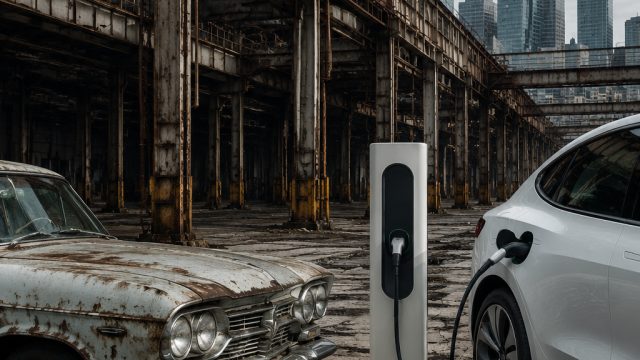
The automotive landscape in the United States is rapidly evolving, with a significant shift toward electric vehicles (EVs) altering the traditional car manufacturing scene. As consumer preferences change and environmental concerns grow, the number of American-made vehicles is declining, with electric vehicles at the forefront of this transformation. Understanding this trend is crucial for both consumers and industry stakeholders.
The Shrinking List of American-Made Vehicles
Once dominated by a variety of models from domestic manufacturers, the list of cars labeled as "American-made" has been shrinking. In recent years, the focus has shifted from traditional combustion engines to electric vehicles, which are often produced by both foreign and domestic companies. This change has significant implications for the automotive market, as it reflects broader societal preferences toward sustainability and innovation.
What Defines an American-Made Vehicle?
The classification of an American-made car is determined by the percentage of its parts that are sourced from the United States and the location where it is assembled. However, as more companies like Tesla and even foreign manufacturers ramp up their electric vehicle production in the U.S., the traditional definitions are becoming blurred.
The Rise of Electric Vehicles
- Consumer Demand: More buyers are prioritizing eco-friendly options, leading to a rise in EV sales.
- Government Incentives: Tax credits and rebates make electric vehicles more appealing to consumers.
- Technological Advancements: Improvements in battery technology and charging infrastructure are enhancing EV practicality.
Why This Shift Matters Now
The current decline in American-made vehicles is a pivotal topic as we navigate through 2023. With EV sales projected to continue rising, it is imperative to understand how this affects American manufacturing jobs, local economies, and consumer choices.
Impact on American Manufacturing
The shift towards electric vehicles is expected to reshape the American manufacturing landscape significantly. As traditional auto plants transition to EV production, many workers will need to adapt to new technologies and processes.
Local Economies and Job Markets
As production moves toward electric vehicle manufacturing, local economies that previously depended on traditional vehicle assembly might face challenges. However, new opportunities in EV production and related sectors could emerge:
- Creation of jobs in EV technology and battery production.
- Increased demand for skilled workers in renewable energy sectors.
- Potential for growth in electric vehicle service and maintenance industries.
Consumer Choices and the Future of the Automotive Market
For consumers, the decline of American-made cars raises questions about brand loyalty and the long-term implications of buying EVs. While some may feel a sense of nostalgia for traditional American brands, the advancing technology and sustainability of electric vehicles provide compelling reasons to consider alternative options.
What Should Consumers Look For?
When choosing a vehicle in this changing landscape, consumers should consider several factors:
- Battery range and charging capabilities for electric vehicles.
- Availability of maintenance services for electric models.
- Company reputation regarding sustainability and manufacturing practices.
Conclusion: Embracing Change in the Automotive Industry
The ongoing transition to electric vehicles marks a critical moment in the automotive industry. As the list of American-made vehicles diminishes, stakeholders and consumers alike must adapt to a new reality defined by sustainability and innovation. Understanding these changes now can better prepare individuals and businesses for the future of automotive care and service.
As we witness this transformation, staying updated on the latest trends will be vital. Whether it is the growth of electric vehicles or shifts in manufacturing practices, knowledge is power in today's automotive market.
