
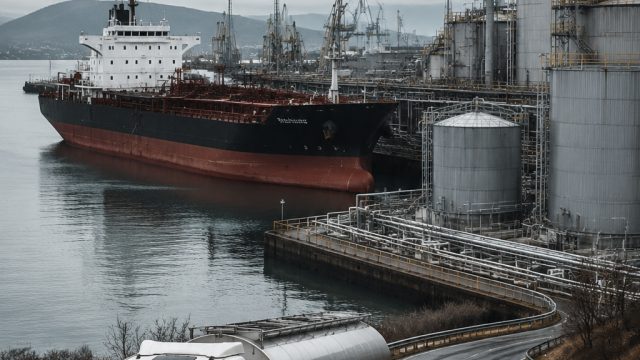
As the situation in Eastern Europe continues to evolve, recent developments indicate that Russia is contemplating a ban on diesel exports. This decision comes in the wake of intensified Ukrainian strikes targeting critical infrastructure, particularly refineries. The implications of such a ban are profound, not only for Russia's economy but also for global fuel markets and supply chains.
The Context of Russia's Diesel Supply Issues
Russia's diesel supply challenges have intensified significantly due to ongoing conflicts. Ukrainian forces have successfully targeted several key refineries, leading to substantial disruptions in production. The ramifications are being felt both domestically within Russia and internationally, particularly among nations reliant on Russian fuel exports.
Refinery Attacks and Their Repercussions
The recent strikes on Russian refineries underscore the vulnerability of the country's energy infrastructure. These attacks have not only hindered production but also forced officials to reassess their export strategies. A potential diesel export ban could be a strategic response to manage internal shortages while attempting to control prices on the domestic market.
Global Fuel Market Dynamics
The ripple effects of a Russian diesel export ban would likely extend far beyond its borders. Countries in Europe and Asia that depend heavily on Russian diesel may face fuel shortages, driving prices up globally. This scenario could lead to heightened competition among nations seeking alternative fuel sources, potentially destabilizing markets further.
Challenges Ahead: Impacts on Fuel Imports
As Russia considers limiting its diesel exports, its reliance on imports could become a pressing issue. The shift in focus from exporting to importing raises questions about energy self-sufficiency. The implications for the economy could be severe if the country struggles to secure adequate fuel supplies to meet domestic demands.
Potential Alternatives and Market Responses
- Increased Domestic Production: Russia may seek to ramp up domestic production to compensate for export losses.
- Exploration of New Trade Partnerships: The country could pivot towards alternative suppliers or seek partnerships with nations outside its traditional trading routes.
- Investment in Renewable Energy: To mitigate future crises, there may be a renewed focus on diversifying energy sources through investments in renewables.
Implications for the World Economy
The potential diesel export ban poses significant risks to the global economy. As prices for diesel and other fuel types soar, industries that depend on energy-intensive operations may face increased operational costs, leading to inflationary pressures worldwide. The transport sector, in particular, could see price hikes that trickle down to consumers.
Historical Context of Fuel Crises
To understand the current situation, it's helpful to contextualize it within the history of fuel crises. Previous instances of supply disruptions have often led to long-lasting effects on both local and global economies, highlighting the interdependence of energy markets.
Monitoring the Situation
As this situation develops, stakeholders in the automotive and energy sectors must keep a close eye on changes in policy and market dynamics. Understanding the implications of a diesel export ban will be crucial for businesses looking to navigate potential disruptions.
Conclusion: The Urgency of the Situation
In light of the ongoing conflicts and potential policy changes, the urgency for businesses and consumers alike to stay informed cannot be overstated. The ramifications of Russia's diesel export considerations have the potential to reshape energy consumption patterns and fuel market structures around the world. As we move forward, vigilance and adaptability will be key in managing the impacts of these developments on various sectors.
