
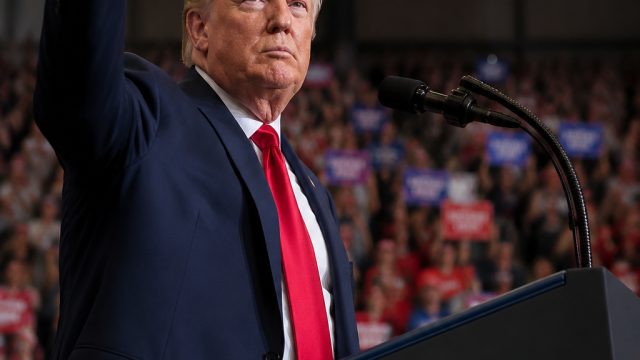
In a recent rally held in Pennsylvania, former President Donald Trump emphasized his vision for reviving the U.S. economy, focusing particularly on the impacts of oil prices and his administration's economic policies. As the midterm elections draw closer, Trump's appeal to swing voters in the Rust Belt becomes increasingly crucial, especially against the backdrop of rising inflation and fluctuating oil prices.
The Economic Landscape in 2023
The current economic climate has been shaped by various factors, from global conflicts to domestic policies. Trump's speech highlighted a few key areas:
- Oil Prices: With global tensions affecting supply chains, oil prices have spiked, impacting everyday Americans and their purchasing power.
- Inflation Concerns: Rising costs of essentials have become a pressing issue, and Trump assured supporters that his policies could curb these trends.
- Tariff Policies: Advocating for tariffs, Trump argued that they protect American jobs and industries from foreign competition.
Addressing Oil Prices and Inflation
One of the most pressing topics during the rally was the effect of international relations on U.S. oil prices. Trump's reference to conflicts in regions such as Iran resonated with the crowd, highlighting the connection between foreign policy and domestic economic health.
He stated, "When we prioritize American energy independence, we shield ourselves from the shocks of foreign disruptions. Lowering oil prices directly fights inflation, which is suffocating families across the nation." This assertion is particularly relevant as families face increased costs in fuel and everyday goods.
The Impact of Trump's Policies
Trump's administration implemented tariffs aimed at correcting trade imbalances and protecting U.S. manufacturing. He reiterated his commitment to these policies, arguing that they fostered growth during his presidency. As he seeks to rally support, it’s essential to evaluate the effectiveness of these measures:
- During his term, Trump's tariffs on steel and aluminum were designed to help domestic producers, but critics argue they raised prices for consumers.
- The impact on consumer goods has been significant, with various industries adjusting prices in response to tariffs.
- Trade relationships with countries like China have been redefined, with Trump portraying these tensions as a necessary move for U.S. economic strength.
Voter Sentiment in the Rust Belt
Pennsylvania's role as a swing state makes it a focal point for political strategies. Trump's messaging is particularly aimed at voters who feel the squeeze of economic pressures:
Surveys have indicated that voters in this region are primarily concerned about:
- Job security and opportunities for growth in manufacturing.
- The rising cost of living, especially for essentials like food and gas.
- The effectiveness of government measures to combat inflation.
Trump's promise to revive manufacturing jobs plays into the narrative of restoring American greatness, a sentiment that resonates with many residents.
Looking Ahead: The Midterms and Beyond
As the midterm elections approach, Trump's ability to connect economic conditions with voter sentiment will be critical. His rally in Pennsylvania was not just a campaign event; it served as a platform to outline his economic vision and rally his base. Here’s what to watch for moving forward:
- Ongoing Economic Policies: Trump will likely continue to emphasize his previous successes while critiquing current policies.
- Focus on Key Issues: Issues like inflation, oil prices, and tariffs will dominate discussions as voters seek solutions.
- Engagement with Voters: Strategies to engage voters in the Rust Belt will be pivotal for both parties as they approach the elections.
The Role of Media in Shaping Perspectives
Media coverage surrounding Trump's policies and speeches will also play a significant role in shaping public perception. As outlets report on economic issues and political strategies, the representation of Trump’s narrative could influence undecided voters. Keeping an eye on how the media presents economic data alongside political commentary will be essential for understanding the broader picture.
Conclusion
Trump's rally in Pennsylvania underscores the importance of economic issues in the upcoming midterms. His focus on oil prices, tariffs, and inflation connects deeply with the concerns of Rust Belt voters. As these issues evolve, the political landscape will continue to shift, making it crucial for candidates to respond effectively to the economic realities faced by Americans. Moving forward, how Trump and other political figures address these concerns will significantly influence the outcomes of the midterm elections.
