
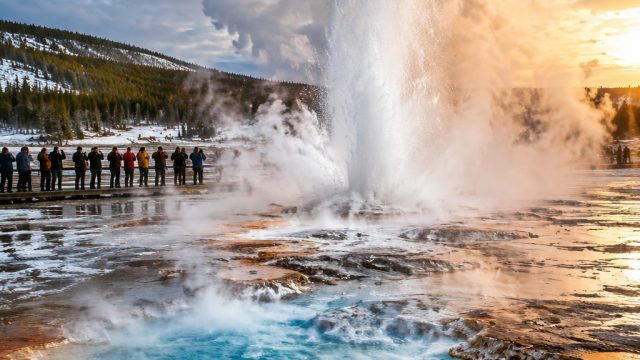
In a striking reminder of the Earth’s powerful geothermal forces, Yellowstone National Park has witnessed another hydrothermal explosion in Biscuit Basin. This eruption, which formed a 20-foot deep crater from boiling water, highlights the park’s continuous geological activity and raises questions about the implications of such events for visitors and the ecosystem.
Understanding Hydrothermal Explosions
Hydrothermal explosions occur when superheated water beneath the earth's surface rapidly transforms into steam, creating intense pressure that can lead to dramatic eruptions. Yellowstone, known for its geothermal features, has seen a series of similar incidents, making it crucial for visitors and locals alike to stay informed about current conditions and safety measures.
What Triggered This Latest Eruption?
The recent explosion at Biscuit Basin is part of Yellowstone's ongoing geothermal activity. According to the United States Geological Survey (USGS), the region has been closely monitored for such events. While the exact catalyst for this eruption is still under investigation, it aligns with historical patterns observed within the park.
Impacts on Visitor Safety and Park Management
The safety of visitors is a top priority at Yellowstone. Following this eruption, park officials are emphasizing the importance of adhering to safety guidelines, which include:
- Staying on designated trails and boardwalks.
- Avoiding vent areas that display signs of geothermal activity.
- Regularly checking park alerts and updates before planning a visit.
Park management is actively working to assess the hazards associated with this event and educate the public on the risks of geothermal areas.
Geothermal Features at Yellowstone
Yellowstone is home to more than half of the world's active geysers, as well as numerous hot springs and fumaroles. The park's unique geology creates a dynamic environment that can change rapidly:
- Hot Springs: These pools of hot water are often vibrant in color due to the presence of thermophilic bacteria.
- Geysers: Regularly erupting geysers like Old Faithful are world-famous, but many smaller geysers are also sporadically active.
- Fumaroles: These openings in the ground release steam and gases and can indicate underlying geothermal activity.
The ongoing monitoring of these features helps scientists understand the broader geothermal processes at play within the park.
Why This Event Matters Now
Such hydrothermal explosions serve as a reminder of the volatile nature of geothermal systems, particularly in areas like Yellowstone. As climate change and other environmental factors influence geological stability, the implications for park ecosystems and visitor safety become increasingly significant.
Community Preparedness and Awareness
Local communities surrounding Yellowstone must remain vigilant as well. Here are key steps for both residents and regular visitors:
- Participate in community safety workshops and informational sessions about geothermal hazards.
- Encourage sustainable tourism practices to minimize environmental impacts.
- Stay informed about seismic and hydrothermal activity through official park channels.
Being proactive about education and preparedness can help mitigate risks associated with these natural phenomena.
Conclusion
The recent hydrothermal explosion in Yellowstone's Biscuit Basin is not just a scientific curiosity; it is a stark reminder of the natural world's power and unpredictability. As we navigate these stunning landscapes, understanding the geology and respecting the park's rules are essential for ensuring safety and preserving the beauty of Yellowstone for future generations.
