
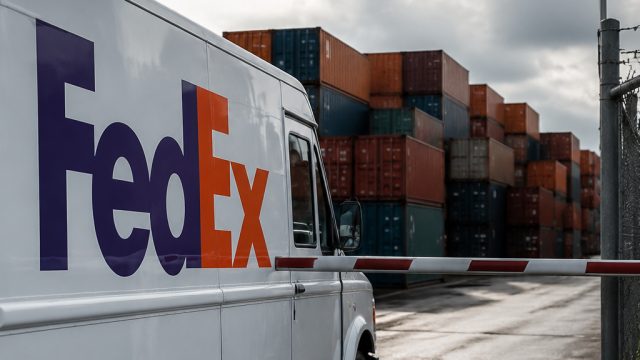
In a dramatic twist of events, FedEx's stock has shown significant volatility recently, reflecting the growing concerns surrounding trade policies and their impact on the logistics giant. While the company reported strong earnings in the last quarter, the underlying realities of fluctuating trade regulations are prompting investors to reassess their positions.
Recent Earnings Performance
Despite the turbulence in global trade, FedEx released a commendable earnings report for the last quarter, highlighting resilience in its freight operations. Analysts noted that the company's operational efficiency and cost-control measures helped safeguard profits amidst challenges.
Key Highlights from the Earnings Report
- Revenue Growth: FedEx reported an increase in revenue, driven primarily by its freight segment, which has adapted well to market demands.
- Profit Margins: The company maintained healthy profit margins, a sign of robust operational management.
- Future Outlook: Despite the positive results, FedEx executives voiced concerns about upcoming quarters due to anticipated inflationary pressures and changing trade policies.
The Impact of Trade Policy Changes
The shifting landscape of international trade has introduced a level of uncertainty that is difficult to navigate. With ongoing adjustments in tariffs and trade agreements, FedEx is not alone in feeling the strain; the entire logistics sector is bracing for potential disruptions.
Why This Matters Now
The implications of trade policy changes extend beyond just FedEx’s bottom line. As one of the largest logistics companies in the world, FedEx serves as a barometer for the industry at large. Below are several reasons why these developments are crucial:
- Market Sentiment: Investors are closely monitoring FedEx's performance as a reflection of broader economic health. A decline in stock prices can trigger concerns of a downturn in the logistics sector.
- Inflationary Pressures: With rising costs, FedEx’s operations could become less profitable, affecting pricing strategies and service availability for consumers.
- Operational Adjustments: The company may need to pivot its strategies rapidly to adapt to new tariffs and trade routes, potentially affecting service levels.
Looking Ahead: Strategies for Resilience
As FedEx navigates these challenges, the company is likely to focus on strategic initiatives aimed at bolstering its market position and operational resilience. Here are potential strategies FedEx might employ:
Diversification of Services
Expanding service offerings can mitigate risks associated with reliance on specific markets. FedEx may enhance its e-commerce solutions or introduce new logistics services tailored for sectors less impacted by global trade fluctuations.
Investment in Technology
By investing in technology, FedEx can improve efficiency and reduce costs. Innovations in route optimization and automated systems may prove vital for maintaining competitiveness in a challenging environment.
Enhanced Customer Engagement
Strengthening relationships with customers through better communication and service customization can ensure loyalty and retention, even during turbulent times.
Conclusion
FedEx's recent performance underscores the complex interplay between trade policies and business operations. While the company showcases a strong financial footing, the impending challenges posed by inflation and shifting regulations cannot be overlooked. Stakeholders should remain vigilant as FedEx adapts its strategies to ensure sustained growth and stability in an unpredictable market landscape. The lessons learned during this period may set the stage for how logistics companies respond to future uncertainties.
