
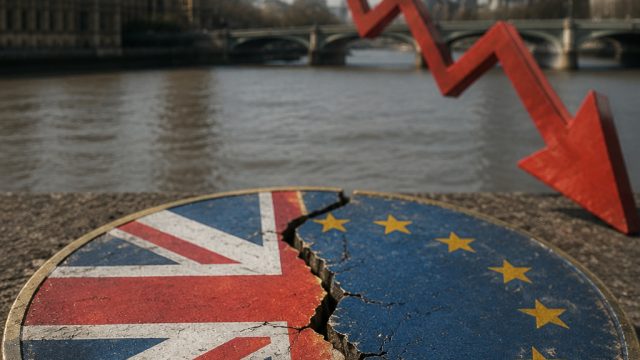
As the United Kingdom marks a decade since the historic Brexit vote, the economic consequences of this monumental decision are becoming increasingly evident. Analysts and economists are reflecting on how the separation from the European Union has reshaped the financial landscape of the UK, impacting everything from trade relations to growth rates.
The Initial Impacts of Brexit
In the immediate aftermath of the Brexit vote in June 2016, the UK experienced significant fluctuations in its economy. The decision to leave the EU led to a sharp depreciation of the British pound, causing inflation to rise and making imports more expensive. This initial economic shock raised concerns about the long-term viability of the UK's financial health.
Currency Fluctuations and Inflation
- Currency volatility impacted consumer prices.
- Increased costs for businesses reliant on imports.
- Wages and living standards affected by inflationary pressures.
Trade Relations Post-Brexit
One of the most significant outcomes of Brexit has been the transformation of the UK's trade relationships. The exit from the EU eliminated the free trade agreements that were previously in place, necessitating new deals with both EU and non-EU countries. This shift has had both positive and negative repercussions.
New Trade Deals and Their Effects
The UK government has pursued various trade agreements globally. However, these new deals do not always compensate for the losses experienced from reduced trade with EU nations. Here are some notable points:
- Trade with the EU has faced tariffs and regulatory barriers.
- New partnerships with non-EU countries have been developed.
- Increased logistical challenges for businesses operating across borders.
Long-Term Economic Growth and Projections
As we look towards the future, the long-term growth prospects of the UK economy remain a topic of heated debate. The anticipated economic growth has been slower than previously projected, leading analysts to question the sustainability of the current economic model.
Growth Rates and Economic Recovery
Several key factors contributing to the slower growth include:
- A decline in foreign investment post-Brexit.
- Continued challenges in labor market dynamics.
- Disruptions in supply chains caused by new regulations.
Public Sentiment and Political Ramifications
The economic ramifications of Brexit have led to shifting public sentiment over the years. Initially, many believed that leaving the EU would invigorate the economy by allowing for more localized control. However, as the realities of the situation set in, public opinion appears to be evolving.
Changing Opinions on Brexit
Recent polls indicate a growing number of citizens are re-evaluating their stance on Brexit:
- Increased calls for rejoining the EU or maintaining closer ties.
- Political parties are reassessing their strategies to address economic concerns.
- The impact of Brexit on everyday life continues to be a central issue in political discourse.
Conclusion: Moving Forward in a New Economic Landscape
As we reflect on the past ten years since the Brexit vote, it is clear that the economic impacts are still unfolding. From transformed trade relationships to evolving public sentiment, the UK continues to navigate the challenges and opportunities presented by this pivotal decision. Moving forward, it will be critical for policymakers to address these ongoing economic realities and seek strategies that promote growth and stability within the new landscape.
