
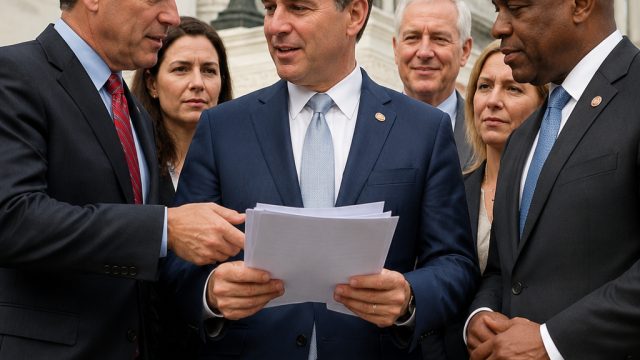
In a notable development in housing legislation, the U.S. House of Representatives has passed a significant bipartisan bill aimed at addressing the escalating costs of housing. This initiative comes at a critical time as lawmakers from both political parties strive to demonstrate their commitment to improving affordability in the housing market just ahead of the upcoming midterm elections.
The Context of the Bill’s Passage
The final approval, marked by a decisive vote of 358-32, has placed the bill on a fast track to become law, pending the signature of President Donald Trump, which is anticipated to occur shortly. This legislative move follows the Senate's overwhelming support, which saw the bill pass with an impressive vote of 85-5.
Why Now?
The urgency surrounding this legislation stems from the growing concern over housing affordability. In many regions across the country, potential homeowners and renters alike are grappling with skyrocketing prices, making it increasingly difficult to secure safe and reliable housing. The bipartisan nature of this bill indicates a rare moment of cooperation among lawmakers, reflecting a unified recognition that housing is a pressing issue that impacts millions of Americans.
Key Components of the Housing Bill
This legislation encompasses a range of provisions designed to alleviate the burden of housing costs on families and individuals. Here are some of the essential highlights:
- Increased Funding for Affordable Housing: The bill allocates significant funding towards the development of affordable housing units.
- Incentives for Homebuilders: It offers tax incentives aimed at encouraging builders to construct more affordable homes.
- Support for First-Time Buyers: First-time homebuyers may benefit from new programs designed to assist them in entering the housing market.
- Enhanced Rental Assistance: Provisions for rental assistance are included to support low-income families facing eviction.
Political Implications
As the midterm elections approach, this bipartisan initiative serves as a critical talking point for candidates across the political spectrum. With housing affordability being a top concern for voters, lawmakers are eager to showcase their commitment to finding practical solutions. This bill not only addresses immediate concerns but also sets the stage for future discussions regarding housing policies.
Potential Impact on the Housing Market
Experts anticipate that the passing of this bill could have several implications for the housing market. Here are some potential outcomes:
- Increased Affordability: By boosting the supply of affordable homes, the bill aims to stabilize prices in high-demand areas.
- Encouragement of New Developments: With incentives for builders, there may be a surge in construction projects aimed at creating more housing options.
- Support for Vulnerable Populations: Enhanced rental assistance will provide much-needed relief to families struggling to make ends meet.
Looking Ahead
As the legislation gets closer to being enacted, stakeholders across the housing sector are advised to monitor its implications closely. The changes proposed by this bipartisan bill could reshape the landscape of affordable housing and impact various demographics within the nation.
Conclusion
The recent approval of the bipartisan housing bill marks a significant step forward in the ongoing battle against worsening housing affordability. With a cooperative effort from both sides of the aisle, there is hope that this initiative will pave the way for a more stable and accessible housing market. As more details unfold, it is crucial for both policymakers and the public to stay informed and engaged in the ongoing dialogue about housing solutions.
