
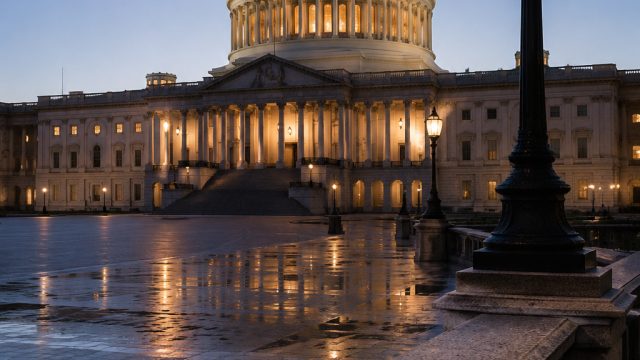
The U.S. Senate has made a significant step forward in redefining its approach to military engagement in Iran. In a recent vote, the Senate directed President Trump to withdraw American forces from hostilities in the region, marking a pivotal moment in U.S. foreign policy. This resolution not only reflects a growing sentiment among lawmakers but also highlights the urgent need for a reassessment of military strategies abroad.
The Context Behind the Resolution
The Senate's decision comes amid escalating tensions and ongoing military operations that have raised concerns among many legislators and citizens alike. The resolution serves as a formal rebuke of the administration's approach to handling conflicts in the Middle East, particularly regarding Iran.
Key Reasons for the Vote
- Legislative Oversight: Lawmakers are advocating for greater oversight over military actions, asserting that Congress should have a say in decisions that lead to military engagement.
- Public Sentiment: With growing public opposition to prolonged military involvement, senators are responding to constituents who demand an end to wars without clear objectives.
- International Relations: The resolution reflects a broader desire to mend diplomatic ties with Iran and pursue peaceful resolutions over military confrontation.
Implications of the Senate's Decision
This legislative action carries significant implications for the future of U.S. military involvement in Iran and beyond. Here are some critical aspects to consider:
Impact on Military Strategy
The Senate's resolution signals a shift in military strategy, emphasizing diplomacy over military action. This could lead to:
- Reduced Troop Deployment: A potential decrease in U.S. military presence in the Middle East, allowing for a reevaluation of existing commitments.
- Increased Diplomatic Engagement: Opportunities for renewed negotiations with Iran and other regional players to foster stability.
- Focus on Domestic Issues: A shift in focus toward addressing pressing domestic concerns rather than distant military conflicts.
Challenges Ahead
While the Senate's decision is a step towards more measured military action, several challenges lie ahead. The path forward requires addressing the concerns of national security while balancing the demand for reduced military involvement:
Potential Pushback
- Opposition from the Executive Branch: The Trump administration may resist the resolution, leading to a confrontation between the legislative and executive branches.
- Military Leadership Concerns: Military leaders may express concerns regarding the implications for U.S. security interests in the region.
- Public Debate: Ongoing discussions about the effectiveness of military interventions versus diplomatic solutions will continue to shape public opinion.
Conclusion: A Call for Thoughtful Foreign Policy
The Senate's resolution to limit military actions in Iran signifies a critical moment in the ongoing discourse surrounding U.S. foreign policy. As tensions continue to evolve, this decision underscores the importance of thoughtful engagement over force. The call for a strategic recalibration resonates now more than ever, as legislators strive to navigate complex global challenges while honoring the will of the American public. As we reflect on the implications of this resolution, it is clear that the path forward must prioritize diplomacy and collaboration in the interests of peace and security.
