
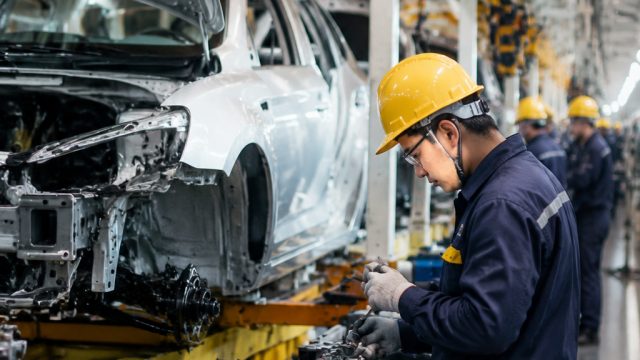
In recent months, China has identified the automotive industry as a vital tool for bolstering its economy. This initiative comes at a time when the nation is grappling with various economic hurdles, prompting the government to turn its focus toward enhancing domestic consumption. As the automotive sector rapidly evolves, it presents a unique opportunity for innovation, economic recovery, and consumer engagement.
The Role of the Automotive Industry in Economic Recovery
The Chinese government has long viewed the automotive industry as a cornerstone of its economic strategy. With increasing consumer demand and a shift towards electric vehicles (EVs), the sector is positioned for a substantial transformation. Policymakers are implementing measures to stimulate this sector and promote sustainable growth.
Government Initiatives to Boost Consumption
- Incentives for EV purchases
- Tax reductions for automotive manufacturers
- Investment in charging infrastructure
These initiatives aim to encourage consumers to invest in new vehicles, particularly EVs, which are gaining traction due to their environmental benefits and government support. By enhancing infrastructure and providing financial incentives, the government hopes to stimulate consumer interest and spending within the automotive market.
Innovation at the Forefront of the Industry
With the rise of technology in vehicles, manufacturers are now focusing on innovation as a key driver of growth. From autonomous driving systems to advanced connectivity features, the automotive sector is evolving rapidly. This transition not only enhances the consumer experience but also positions China as a leader in automotive technology.
Key Innovations Shaping the Future
- Integration of AI in vehicle systems
- Development of smart mobility solutions
- Improved battery technologies for EVs
These innovations are essential in meeting the changing preferences of consumers who seek not only efficiency but also a seamless driving experience. As companies invest heavily in research and development, they are also creating job opportunities, further contributing to economic stability.
Consumer Sentiment and Market Trends
As the economy navigates through fluctuating consumer sentiment, understanding current market trends becomes crucial. The automotive industry is witnessing a shift in buyer behavior, with an increasing preference for online purchasing and flexible payment options, such as daftar slot online via pulsa for vehicle financing.
Shifting Preferences Among Consumers
Recent surveys reveal several trends influencing consumer decisions:
- Preference for sustainable and green vehicles
- Interest in flexible ownership models
- Increased online research prior to purchasing
These trends highlight a growing awareness of environmental issues and a desire for greater convenience in the vehicle-buying process. As a result, automotive companies are adapting their marketing strategies to cater to these evolving preferences.
Conclusion: A Bright Future for the Automotive Sector
As China continues to leverage its automotive industry as a catalyst for economic growth, the focus on consumption and innovation will play a pivotal role in shaping the future of the market. By fostering a supportive environment for both manufacturers and consumers, China aims to not only recover from economic challenges but also to lead in the global automotive arena.
In summary, the automotive sector is not just about production and sales; it's about creating a sustainable ecosystem that supports consumer needs and drives innovation. With these strategic initiatives in place, the future looks promising for China's automotive industry.
