
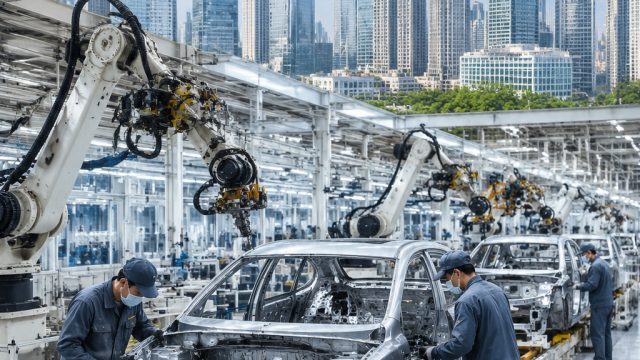
In recent developments, China's government has identified the automotive industry as a critical tool for stimulating economic recovery and growth. This strategic move reflects the nation’s broader economic agenda, particularly in light of the challenges posed by global market fluctuations and the ongoing aftermath of the pandemic. As consumer behavior shifts, the automotive sector is poised to play a pivotal role in enhancing domestic consumption.
The Automotive Market's Role in Economic Strategy
China's automotive market stands as one of the largest in the world, and its potential to drive consumption is unparalleled. According to recent analyses, the government views the auto industry not just as a sector for vehicle production but as a lever for wider economic engagement.
Transforming Consumer Habits
Shifts in consumer preferences are significantly influencing the automotive landscape. Increased awareness of sustainability and technological advancements are leading consumers to seek out electric vehicles (EVs) and smart automotive technologies. This trend is expected to catalyze further investments in these areas, making them not just a preference but a necessity for manufacturers.
Policy Support and Financial Incentives
The Chinese government is also implementing various policies and financial incentives aimed at bolstering this sector. Subsidies for electric vehicle purchases, tax breaks for manufacturers, and investments in infrastructure are part of a broader initiative to enhance both production and consumption. This multifaceted approach is setting the stage for a more resilient automotive economy.
- Subsidies for electric vehicle purchases
- Tax incentives for automotive manufacturers
- Investment in charging infrastructure and technology
Impact on Global Markets
Beyond national borders, China’s automotive strategy has implications for global markets. As the country enhances its production capabilities and diversifies its vehicle offerings, it positions itself as a competitive player in the international automotive landscape. This shift could lead to increased exports and potentially reshape supply chains worldwide.
Collaboration with International Brands
China's automotive sector is not operating in isolation. Collaborations with international brands are becoming more common, allowing for knowledge transfer and shared technological advancements. These partnerships could fortify China's position as a leader in the automotive sector while fostering innovation.
Challenges Ahead
However, while the outlook appears promising, there are obstacles to navigate. The global semiconductor shortage continues to impact production timelines, and competition from other countries is intensifying. Additionally, economic uncertainties could test the resilience of both domestic and international markets.
Conclusion: A Critical Time for the Automotive Industry
In summary, China's focus on leveraging its automotive sector as a consumption lever is a strategic initiative that comes at a crucial time. With a robust approach to stimulating domestic demand and enhancing global competitiveness, the auto industry is set to be a significant driver of economic recovery. Stakeholders in the automotive space must stay vigilant and adaptable to thrive in this evolving landscape.
As we monitor these developments, it is clear that the automotive industry's trajectory will have far-reaching effects on both local and international economies. For businesses and consumers alike, understanding these dynamics is essential for navigating the future of transportation and economic growth.
