
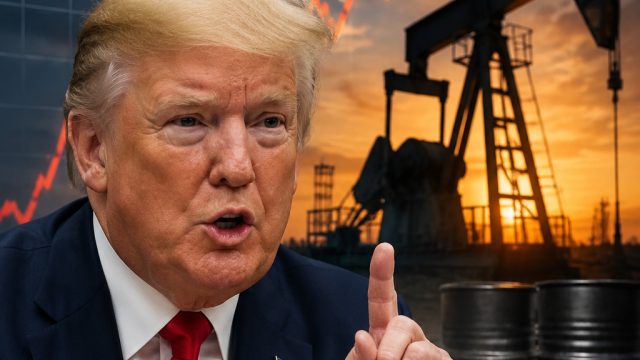
The landscape of the oil market has taken a significant turn as former President Donald Trump has initiated calls for a thorough investigation into the escalating gasoline prices that have been burdening consumers across the United States. This move comes at a crucial time when fuel costs have surged to an all-time high, prompting widespread concern among drivers and industry experts alike.
The Context Behind Rising Fuel Costs
The sharp increase in gasoline prices has been attributed to multiple factors, including geopolitical tensions, supply chain disruptions, and increased demand as the economy continues to recover post-pandemic. With consumers feeling the pinch at the pump, Trump's allegations against oil companies of price gouging have sparked a heated debate about the fairness and transparency of fuel pricing.
Impact on Consumers
As prices soar, everyday Americans are forced to make difficult choices regarding their transportation and commuting habits. Here are some key points to consider:
- Increased Commuting Costs: Rising fuel prices strain household budgets, especially for families reliant on cars for daily activities.
- Potential for Economic Slowdown: If fuel prices continue to rise, consumers may cut back on spending in other areas, leading to broader economic implications.
- Shift Toward Fuel-Efficient Vehicles: Many consumers are now considering more fuel-efficient vehicles or even electric options to mitigate rising fuel costs.
Trump's Accusations Against Oil Companies
In his public statements, Trump has accused major oil companies of exploiting market conditions to inflate prices. He argues that this trend is harmful to average consumers and calls for federal investigations to examine these claims thoroughly. The former president's stance highlights a growing frustration among the public regarding perceived corporate greed and lack of accountability.
The Political Landscape
This issue is not just about fuel costs; it also has significant political ramifications. The response to rising oil prices could influence upcoming elections, as voters’ concerns about the economy often take center stage. Key aspects to consider include:
- Increased Scrutiny on Energy Policies: Political leaders may face heightened pressure to implement policies that address energy prices and promote competition in the oil sector.
- Public Sentiment: The general public's sentiment towards the oil industry could shift, leading to calls for greater regulation to prevent price gouging.
- Impact on Elections: Lawmakers who address these concerns effectively may gain favor among constituents heading into future elections.
Industry Responses and Future Outlook
Amidst these developments, the oil industry is responding to the scrutiny. Some companies argue that market fundamentals, rather than corporate greed, are driving prices higher. They point to factors such as international crude oil prices and refining costs as critical components of the overall price structure.
What Lies Ahead?
As investigations proceed, many are left wondering how this situation will resolve. Here are some potential outcomes:
- Increased Regulation: Depending on the findings of any investigations, we may see new regulatory measures introduced to curb price hikes.
- Consumer Advocacy: Consumer advocacy groups may gain traction, pushing for greater transparency in fuel pricing.
- Long-Term Price Adjustments: The market may adjust to new regulations or public outcry, potentially stabilizing prices in the long run.
Conclusion: A Crucial Moment for Consumers and the Automotive Industry
Trump's call for investigations into rising oil prices marks a pivotal moment for consumers and the automotive industry. As citizens face unprecedented fuel costs, the implications of this situation extend beyond the pump, influencing economic stability and consumer sentiment. With ongoing discussions and potential regulatory changes on the horizon, the coming months will be crucial in determining how fuel prices evolve and what measures will be taken to protect consumers. For those interested in the automotive sector, these developments should be closely monitored as they could lead to significant shifts in market dynamics.
