
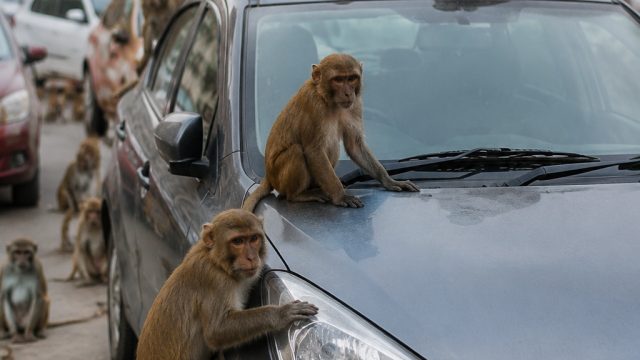
In a shocking incident that has left the residents of Vidyanagar in Hyderabad on edge, a woman was attacked by a group of monkeys, resulting in serious injuries. This occurrence sheds light on the alarming increase in monkey encounters within urban areas, raising significant concerns about public safety.
Understanding the Threat: Why Monkey Attacks Are Rising
The recent attack is not an isolated case. With the urban sprawl of cities like Hyderabad, wildlife, particularly monkeys, are increasingly invading residential neighborhoods. Factors contributing to this trend include:
- Habitat Loss: As cities expand, natural habitats for these animals diminish, forcing them to seek food and shelter in human-populated areas.
- Food Scarcity: Urban areas often provide easy access to food sources, attracting monkeys and leading to conflicts with residents.
- Human Interaction: Increased interactions between humans and wildlife, whether through feeding or careless disposal of food, encourage monkeys to approach residential areas.
The Immediate Aftermath of the Attack
Following the aggressive behavior exhibited by the monkeys, local authorities have been urged to take immediate action to ensure the safety of residents. Reports indicate that the injured woman received prompt medical attention, highlighting the importance of swift response in such incidents. However, many in the community feel that more proactive measures are necessary to prevent future occurrences.
Community Reactions and Safety Precautions
The reactions from the local community have been mixed. While some residents express sympathy for the injured woman, others voice anger and frustration over the lack of preventive measures. In response to the incident, residents have suggested various precautions that can be adopted:
- Establishing wildlife control programs to monitor and manage monkey populations.
- Implementing community awareness campaigns about not feeding monkeys to reduce their dependency on human food.
- Encouraging local authorities to install barriers or fences in critical areas prone to monkey invasions.
The Broader Implications for Urban Wildlife Management
As urban wildlife encounters rise, cities are faced with the challenge of managing these populations without harming the animals. Proper management is crucial not only for the safety of residents but also for the welfare of the animals themselves. Failure to address these issues can lead to:
- Increased Health Risks: Wildlife can carry diseases that pose a threat to humans.
- Property Damage: Monkey intrusions can result in damage to property, leading to significant financial burdens for homeowners.
- Community Division: Fear and frustration can create rifts within communities, impacting the overall quality of life.
Conclusion: A Call for Action
The recent monkey attack in Hyderabad serves as a stark reminder of the urgent need to address urban wildlife management. As cities continue to grow and encroach on natural habitats, the likelihood of such encounters will only increase. It is essential for local authorities, community leaders, and residents to collaborate on finding solutions that protect both public safety and wildlife welfare.
As we move forward, it is crucial for Hyderabad to implement effective strategies to mitigate the risks associated with urban wildlife, ensuring a safe environment for all its residents. The situation demands attention now more than ever, and proactive measures can lead to a safer coexistence between humans and wildlife.
