
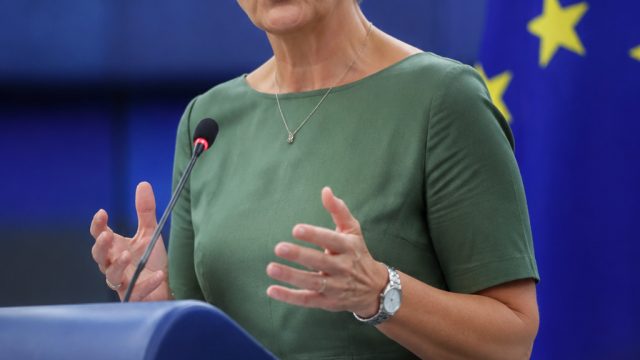
The European Union's competition chief has recently raised alarms over the potential hindrances to vital banking mergers that could significantly bolster economic growth across the continent. This warning comes at a pivotal time, as nations are increasingly utilizing security concerns as a pretext to block these essential financial agreements.
The Current Landscape of Banking in the EU
The landscape of banking in Europe has evolved dramatically in recent years. Economic challenges, heightened by global events and shifts in consumer behavior, have prompted a reevaluation of traditional banking practices. The European Commission recognizes that strategic mergers and acquisitions within the banking sector can enhance stability and competitiveness.
Challenges to Mergers and Acquisitions
Many governments are resorting to security justifications to intervene in banking deals, leading to concerns about a lack of transparency and fairness. The competition chief warns that such tactics not only stifle innovation but can also deter investment during crucial economic recovery phases.
- Potential for increased market concentration
- Short-term thinking that overlooks long-term benefits
- Investor hesitation due to unpredictable regulatory environments
Why This Matters Now
As Europe grapples with numerous economic challenges, including inflation and sluggish growth rates, the need for robust banking infrastructure has never been more pressing. Banking mergers can lead to a more resilient financial system capable of weathering economic storms.
The Benefits of Banking Mergers
Facilitating mergers among banks can bring several advantages:
- Enhanced Resource Allocation: Mergers can lead to more efficient use of resources, optimizing services for consumers.
- Increased Competition: A more consolidated banking sector can foster competition, driving innovation and better services.
- Stability in Uncertain Times: Stronger banks are better equipped to manage risks and provide support during economic downturns.
The Role of Regulatory Bodies
The importance of regulatory bodies cannot be overstated. They play a critical role in ensuring fair play within the banking sector while also safeguarding the interests of consumers. The EU competition chief's remarks underscore the need for a balanced approach—one that allows for necessary consolidation while maintaining a healthy competitive environment.
Regulatory Recommendations
To enhance the effectiveness of the banking sector, several recommendations have been proposed:
- Establish clear guidelines for assessing security risks related to banking mergers.
- Encourage transparency in the decision-making process to build trust among stakeholders.
- Promote collaboration between national regulators to streamline the approval process for mergers.
Looking Ahead
The EU competition chief's call for a fairer approach to banking deals comes at a crucial juncture for the European economy. With the potential for significant economic recovery on the horizon, it is imperative that governments act judiciously and avoid obstructive measures that might hinder vital banking partnerships.
As stakeholders in the financial sector watch closely, the push for balanced regulatory frameworks will be essential in shaping the future of banking in Europe. The focus must remain on fostering an environment conducive to growth, competition, and innovation. This is not just a matter of financial policy; it is about ensuring a robust economic future for the entire region.
Conclusion
In conclusion, the warnings issued by the EU competition chief highlight an urgent need for fair and transparent practices in the banking sector. By facilitating necessary mergers, Europe can position itself for economic resilience and growth, ultimately benefiting consumers and businesses alike. It is time for governments to prioritize the future of banking and, by extension, the broader economy.
