
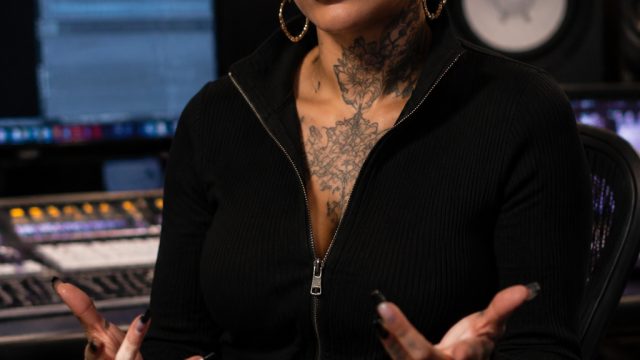
In a recent social media outburst, famed rapper Doja Cat expressed her deep frustration regarding the misuse of artificial intelligence in music. This incident comes amid growing anxiety within the music industry as artists face the ramifications of AI technology that can replicate their sound without consent. Doja Cat’s comments and the reactions of other industry figures highlight an urgent need for discussion about the authenticity and rights of musicians in an era increasingly influenced by technology.
AI Technology and Its Impact on Music Authenticity
As artificial intelligence continues to evolve, its applications in the music sector have become more sophisticated, raising numerous ethical questions. Artists are no longer just competing with other musicians; they are also up against algorithms capable of generating tracks that mimic their style. This brings us to a crucial point: how can artists protect their identity and artistry in a digital age where their work can be easily replicated?
The Artist's Voice
Doja Cat's vehement statement, "Fuck AI for real," reflects her sentiment that technology should not overshadow the individual creativity that defines music. She recently took to the platform X (formerly known as Twitter) to clarify that any AI-generated content falsely attributed to her is not genuine. Her concerns resonate with many artists who fear that AI could dilute the essence of their artistry.
Industry Reactions
Her remarks were not made in isolation. Other prominent figures like SZA and producer Kenneth Blume have also voiced their frustrations regarding AI’s encroachment into the music world. This collective outcry suggests a rising tide of resistance against the unregulated use of AI. Here are some highlighted reactions from the music community:
- SZA: Expressed concerns over the authenticity of AI-generated music.
- Kenneth Blume: Advocated for stronger regulations on AI in music production.
- Industry Experts: Urged for a dialogue on protecting artists’ rights in the digital era.
The Importance of Artist Rights in the Digital Age
As we delve deeper into the implications of AI on the music industry, the topic of artist rights takes center stage. The fear among artists is that without proper regulations, they could lose control over their creative output. Here are some essential points to consider:
1. Protecting Creative Ownership
Ownership of music is vital for artists, not just financially but also creatively. When an AI system can produce a song that sounds eerily similar to an artist's style, it raises the question of who truly owns that sound. This is a pivotal debate that artists, record labels, and legal experts must engage in.
2. Consumer Perception
Furthermore, consumer perception of authenticity plays a crucial role in an artist's brand. If fans begin to embrace AI-generated songs as the real deal, it could diminish the value of authentic artistry. Doja Cat's disappointment underscores a broader concern that fans may not differentiate between genuine and artificial music, which could lead to a crisis of identity for many artists.
3. The Need for Regulation
As AI tools become more prevalent in music creation, the industry must explore frameworks that ensure artists have the right to control how their music is used and represented. Regulations could include:
- Clear guidelines on the use of AI in music production.
- Legal consequences for unauthorized use of an artist's likeness or sound.
- Transparency from platforms using AI technology in music.
Conclusion: The Future of Music in an AI World
The conversation sparked by Doja Cat's statements is just the beginning of a much larger dialogue about the future of music in an age of AI. As technology continues to revolutionize the industry, it is crucial that artists retain their rights and authenticity. The music community must unite to ensure that creativity remains at the heart of music production, free from the overshadowing presence of artificial intelligence.
As we consider the implications of AI in music, now is the time for artists, fans, and industry leaders to advocate for a future that honors genuine artistry while navigating the complexities of modern technology.
