
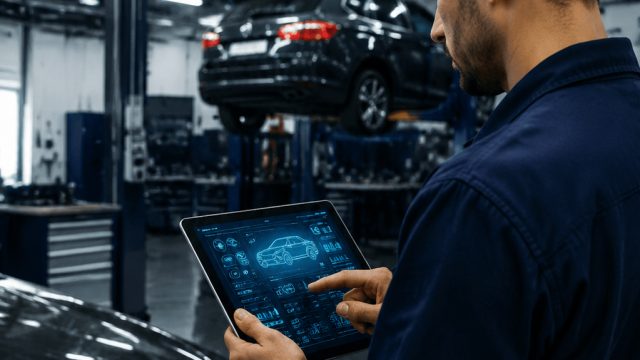
In today's fast-paced digital world, the automotive industry is rapidly evolving, with technology playing a crucial role in shaping marketing strategies. As businesses strive to enhance brand visibility and customer engagement, Artificial Intelligence (AI) has emerged as a game-changing tool. This article delves into the significance of AI in automotive marketing and how it can streamline campaigns effectively.
The Current Landscape of Automotive Marketing
With the rise of digital platforms, automotive marketing has transformed dramatically over the past few years. Traditional advertising methods are being overshadowed by data-driven strategies that leverage consumer insights to create personalized experiences. AI technology has been at the forefront of this change, allowing brands to tailor their marketing efforts to meet the specific needs of their audience in real-time.
Why AI Matters Now
The urgency for AI integration in automotive marketing cannot be overstated. As consumer preferences shift towards more personalized and convenient experiences, brands must adapt or risk falling behind. Here are a few reasons why adopting AI-driven marketing solutions is imperative:
- Enhanced Customer Engagement: AI tools can analyze customer behavior and preferences, enabling brands to craft targeted messages that resonate with their audience.
- Improved Campaign Efficiency: Automated processes reduce the time and effort required to create and manage marketing campaigns, allowing teams to focus on strategy and creativity.
- Cost-Effective Solutions: With AI optimizing ad spending and targeting, companies can achieve a higher return on investment (ROI) and minimize waste.
Exploring AI Marketing Tools for Automotive Brands
Several AI-powered marketing tools are transforming how automotive companies connect with their customers. Let's take a closer look at some of the most impactful solutions available today:
1. Automated Content Generation
Tools that utilize AI for content creation are particularly beneficial for automotive brands. By streamlining the process of generating ads, blogs, and social media posts, these platforms ensure that all messaging aligns with the brand's voice. This helps maintain consistency across various channels.
2. Predictive Analytics
AI can predict future trends by analyzing vast amounts of historical data. This capability allows automotive brands to anticipate customer needs and respond proactively, ensuring they remain competitive in a rapidly changing market.
3. Chatbots and Customer Support
AI-driven chatbots provide real-time assistance to customers, answering queries about vehicle models, financing options, and service appointments. This not only enhances customer satisfaction but also frees up staff to handle more complex inquiries.
The Road Ahead: Preparing for AI Integration
As the automotive industry continues to embrace digital transformation, companies must prepare for the integration of AI tools. Here are some steps to ensure a smooth transition:
- Assess Current Marketing Strategies: Evaluate existing campaigns to identify areas where AI can enhance effectiveness.
- Invest in Training: Equip marketing teams with the necessary skills to leverage AI tools effectively.
- Test and Optimize: Implement AI solutions on a trial basis to measure performance and make adjustments as needed.
Conclusion: Embracing the Future of Automotive Marketing
As the automotive landscape evolves, embracing AI-driven marketing solutions becomes not just an option but a necessity. These technologies offer unprecedented opportunities for brands to connect with consumers more effectively and efficiently. By leveraging AI, automotive companies can enhance their marketing strategies, creating a more personalized experience for their customers and ultimately driving business growth. The future of automotive marketing lies in technology, and those who act now will be well-positioned to lead the charge.
