
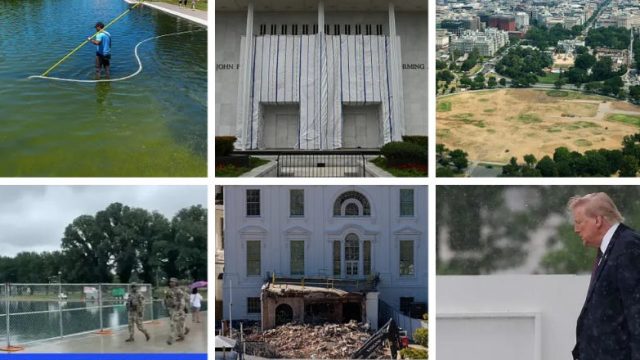
As the political landscape in Washington D.C. continues to evolve, recent events have highlighted the deep divisions and chaotic dynamics at play. Understanding the implications of this turmoil is crucial for citizens and stakeholders alike. In this article, we will explore the factors contributing to the current state of affairs in D.C. and what it means for the future of governance in the United States.
The Roots of Political Turmoil
Recent months have seen Washington embroiled in discussions and decisions that reflect a troubling trend of instability. This turmoil can be traced back to several key factors:
- Partisan Divide: The growing schism between political parties has made consensus increasingly difficult. Major legislative initiatives are often stalled due to disagreements that seem insurmountable.
- Leadership Challenges: The effectiveness of leadership in Congress and the executive branch is under scrutiny, with many questioning their ability to navigate crises and implement meaningful change.
- Public Discontent: A palpable sense of frustration among the public has emerged, with voters expressing disillusionment about their representatives and the efficacy of government.
The Impact of Social Media
In today's digital age, social media has amplified political discourse, often exacerbating conflicts. The rapid spread of misinformation and polarized viewpoints complicates the political landscape. Citizens are bombarded with conflicting narratives, making it hard to discern the truth. This phenomenon has led to:
- Heightened tensions between groups with differing beliefs.
- The rise of echo chambers where individuals reinforce their biases.
- An increase in political engagement, but often in a divisive manner.
Recent Legislative Developments
Amidst the chaos, significant legislative efforts continue, though not without challenges. Recent bills aimed at addressing pressing issues—ranging from healthcare to infrastructure—have seen a mixed reception:
- Healthcare Reform: While there is broad agreement on the need for reform, specific proposals have sparked fierce debate, stalling progress.
- Infrastructure Initiatives: Plans for revitalizing America's infrastructure face opposition, with concerns about funding and implementation.
- Environmental Policies: Climate change measures are being pushed forward, but resistance from certain factions complicates bipartisan support.
Public Reactions and Cultural Sentiments
The ongoing political climate has sparked varied reactions from the public. Many citizens are actively voicing their concerns, emphasizing the need for accountability and transparency. Key themes emerging from public discourse include:
- Demand for Transparency: Citizens are calling for more visibility into the decision-making processes of their representatives.
- Increased Activism: Grassroots movements are gaining momentum, with community organizers mobilizing around specific issues.
- Calls for Unity: Many are advocating for a return to civility in political discussions and a focus on common ground.
Looking Ahead: Can Stability Be Achieved?
As we navigate these challenging times, the question arises: Can Washington D.C. regain its footing amidst the chaos? Experts suggest a few potential pathways to stability:
- Bipartisan Cooperation: Encouraging collaboration across party lines could help bridge divides and restore functionality to government.
- Engaging the Public: Fostering a more informed and engaged electorate can lead to increased accountability.
- Addressing Core Issues: Tackling fundamental issues like healthcare, economy, and climate change can unify efforts and redirect focus from partisan squabbles.
Conclusion
The current state of disarray in Washington D.C. serves as a critical reminder of the challenges facing the American political system. It is essential for citizens, policymakers, and leaders to work towards a more stable and inclusive political environment. The future of governance hinges on the ability to foster cooperation, engage the public, and tackle pressing issues head-on. As we continue to monitor the developments in this tumultuous landscape, it is vital to remain informed and involved in shaping the future of our democracy.
