
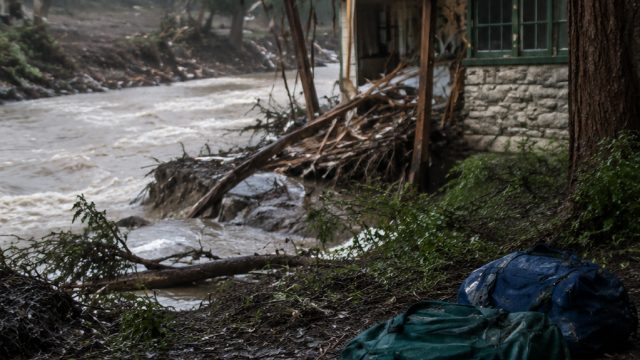
In a heart-wrenching turn of events, Camp Mystic has officially filed for Chapter 11 bankruptcy, a decision that comes in the wake of devastating flooding that claimed the lives of 28 campers and staff in Texas. This move not only represents a financial strategy for the camp but also halts ongoing lawsuits stemming from this tragic incident. The implications of this bankruptcy filing extend far beyond the camp's financial health, raising questions about legal accountability and community safety.
The Context Behind the Bankruptcy
Camp Mystic, a longstanding institution in the heart of Texas, has been a place of joy and summer memories for countless children. However, the recent flood disaster has cast a dark shadow over its legacy. The camp’s bankruptcy proceedings are a response to the financial burdens created by the lawsuits filed by families of victims and survivors. In these circumstances, the camp is looking to restructure its debts and navigate the complex legal landscape that follows such tragedies.
Understanding Chapter 11 Bankruptcy
Chapter 11 bankruptcy allows a business to reorganize its debts while maintaining operations. This legal framework is particularly significant for Camp Mystic, as it provides the camp a chance to stabilize itself amid overwhelming demands. Here are the key points regarding Chapter 11:
- It enables the camp to continue its operations while restructuring debt.
- Creditors will have an opportunity to negotiate terms.
- The camp aims to emerge stronger, albeit under difficult circumstances.
The Ripple Effect of the Flood Incident
The catastrophic floods that led to this bankruptcy filing have profound implications for the local community. The tragedy not only affected the families of those who lost their lives but also raised broader questions about safety standards and emergency preparedness at camps across the nation.
Potential Legal Consequences
While the bankruptcy filing pauses the lawsuits, it does not eliminate the potential for legal consequences. Families affected by the tragedy may pursue claims even after the bankruptcy process begins. Here’s what to consider regarding the legal ramifications:
- Lawsuits may be restructured within the bankruptcy court system.
- Compensation for families may be dependent on the outcomes of these proceedings.
- The case will set precedents for future camp safety regulations and liability laws.
Community Response and Future Outlook
The news of Camp Mystic's bankruptcy has evoked a strong emotional response from the community. Many residents are reflecting on the safety measures in place at local camps and what can be done to prevent such tragedies in the future. Local officials are being called upon to evaluate and enhance safety protocols for all summer camps.
Importance of Camp Safety Regulations
In light of this incident, it is crucial for parents and guardians to be aware of safety standards at camps. Here are some measures that can help ensure camper safety:
- Verify the camp’s compliance with local safety regulations.
- Inquire about emergency preparedness plans in place at the facility.
- Stay informed about the camp's management and their crisis response history.
Conclusion: A Call to Action for Camp Safety
As Camp Mystic navigates through its bankruptcy proceedings, it serves as a reminder of the importance of safety in all youth programs. The community must come together to advocate for stricter regulations and better training for staff at all summer camps to prevent future tragedies. This situation is a wake-up call, emphasizing the need for vigilant safety protocols and the continuous monitoring of camp conditions. The hope is that from this tragic event, stronger safety measures will emerge, ensuring that future generations can enjoy summer camp experiences free from fear.
