
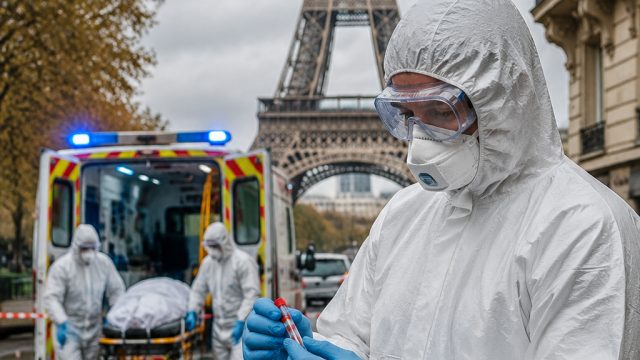
In a concerning development for public health, France has reported its first case of Ebola, linked to a physician returning from a recent assignment in the Democratic Republic of the Congo (DRC). This news comes as health officials warn that outbreaks in Africa are escalating at an unprecedented rate, making it essential to stay informed.
The Rising Threat of Ebola
The World Health Organization (WHO) has classified the current Ebola outbreak in the DRC as the fastest-growing in history. With cases now exceeding 1,000, health experts are calling for immediate action to contain the spread of the virus. This situation is particularly critical as it underscores the potential for global implications if the virus were to spread beyond the African continent.
Why This Matters for Global Health
The implications of the Ebola outbreak are far-reaching. Here’s why you should be paying attention:
- International Travel Risks: As countries reopen their borders, the risk of transmission increases, particularly for healthcare workers traveling to outbreak zones.
- Preparedness of Health Systems: The response to previous Ebola outbreaks has revealed gaps in healthcare preparedness. This situation puts a spotlight on the need for robust health systems worldwide.
- Public Awareness: Increased knowledge about Ebola can help the public take necessary precautions, especially in travel and healthcare settings.
What the Data Shows
Recent data from the DRC indicates that the outbreak is spreading rapidly, with a higher number of cases reported in a shorter period than in past outbreaks. Such rapid proliferation raises questions about the effectiveness of current containment measures and healthcare responses.
Current Situation in the DRC
Health officials are actively working on the ground to manage the crisis. Key strategies include:
- Vaccination Campaigns: In areas most affected, vaccination efforts are accelerating to inoculate health workers and frontline responders.
- Contact Tracing: Authorities are employing rigorous contact tracing to identify and isolate individuals who may be at risk of contracting the virus.
- Public Health Messaging: Public education campaigns are crucial in informing communities about symptoms to watch for and how to seek care.
The Role of International Health Organizations
Organizations such as the WHO and Médecins Sans Frontières (MSF) are mobilizing resources to provide support. Their involvement is vital, particularly in ensuring that healthcare facilities are equipped to deal with potential cases of Ebola.
Global Response Strategies
In the face of this outbreak, international collaboration is key. Here’s what you can expect:
- Funding and Resources: Increased funding is likely to be directed toward containment efforts, research on vaccines, and treatment protocols.
- Sharing Best Practices: Countries are encouraged to share strategies that have proven effective in managing Ebola cases.
- Health System Strengthening: The outbreak highlights a pressing need for strengthening healthcare systems, not just in Africa but globally.
What Individuals Can Do
In light of the current situation, individuals can take specific actions to minimize the risk of Ebola transmission as well as stay informed:
- Stay Informed: Keep abreast of updates from reputable health organizations and government advisories.
- Travel Precautions: If traveling to regions affected by Ebola, take necessary precautions and heed travel advisories.
- Health Monitoring: Be vigilant for symptoms of Ebola, especially after potential exposure, and seek medical attention if necessary.
Conclusion: A Call for Vigilance
The Ebola outbreak in France serves as a stark reminder of the interconnectedness of global health. As we witness the situation unfold, it is imperative that both individuals and governments remain proactive in their response. By staying informed, supporting health initiatives, and practicing vigilance, we can help mitigate the spread of this deadly virus.
