
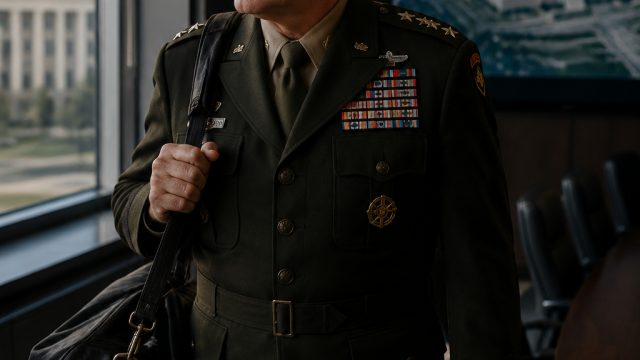
The recent retirement announcement of General Chris Donahue, the last U.S. soldier to exit Afghanistan, has sent ripples through the Pentagon. This unexpected departure not only marks a significant shift in military leadership but also raises pressing questions about the future direction of the Army amid ongoing global tensions.
Understanding the Context of General Donahue’s Retirement
General Donahue's career has been closely tied to pivotal moments in U.S. military history, especially regarding Afghanistan. His abrupt retirement from his position as Army commander for Europe and Africa comes at a time when the military faces numerous challenges, both at home and abroad. With shifts in leadership occurring frequently, it begs the question: what are the underlying factors contributing to this change?
A History of Leadership Changes
The U.S. Army has seen a number of prominent figures stepping down or being reassigned over the past few years. Each departure leaves a vacuum and can lead to instability within the ranks. General Donahue’s resignation is particularly noteworthy as it signals a potential reevaluation of military strategies that have guided U.S. operations.
The Immediate Impact on Military Operations
With General Donahue's retirement, the Army will need to address how this leadership shift might affect ongoing operations in Europe and Africa. Key areas of concern include:
- Strategic Realignment: Leadership changes often bring new strategic priorities. Will the new commander prioritize different areas of focus?
- Morale Among Troops: Soldiers often look for stability in leadership. How will this sudden change impact troop morale?
- International Relations: Donahue’s departure could influence the U.S.'s standing with NATO allies and other global partners.
Maintaining Operational Continuity
One of the primary challenges following a high-profile retirement is ensuring that ongoing missions do not suffer from a lack of direction. The incoming commander will need to quickly establish credibility and maintain continuity in operations while also implementing fresh strategies that align with current geopolitical realities.
What This Means for the Future of the Army
As the Pentagon navigates through this transition, there are several implications for the Army’s future:
- Emphasis on New Leadership Styles: The Army may increasingly seek leaders who are adaptable and innovative in their approaches.
- Focus on Diversity: There is an ongoing push for greater diversity in military leadership; this could influence future appointments.
- Increased Accountability: With a new leader comes a renewed emphasis on accountability and transparency in military operations.
Engaging with Military Communities
In these times of change, fostering open communication with military personnel becomes critical. Engaging with soldiers and their families about what these changes mean can help to ensure that everyone is on the same page and prepared for the future.
Conclusion: A Time of Transition
The early retirement of General Chris Donahue is more than just a personnel change; it signifies a pivotal moment for the U.S. Army at a time of global uncertainty. As new leadership steps in, the implications of such changes will be felt across military and civilian spheres alike. Understanding the broader context of these shifts is essential for anticipating how they will impact not only military operations but also international relations moving forward. The Pentagon’s landscape continues to evolve, and all eyes will be on the new direction that follows.
