
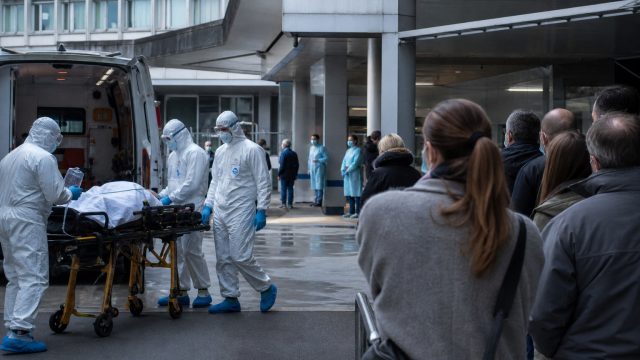
In a startling development, France has confirmed its first case of Ebola, linked to a doctor who recently returned from the Democratic Republic of the Congo (DRC). This incident raises pressing concerns about the status of global health security and the preparedness of nations to manage infectious disease outbreaks. With the outbreak in Africa escalating rapidly, experts urge immediate action.
The Context of the Outbreak
The current Ebola outbreak, centered in the DRC, is noted as one of the fastest-growing in the history of the disease. As reported by WHO officials, the number of cases has surged, crossing the threshold of 1,000 infections, with health authorities struggling to contain its spread. The WHO's latest assessments reveal that the virus is not only spreading at an alarming rate but also evolving in ways that have made it more challenging to control.
Key Factors in the Current Outbreak
- Increased Transmission: The rapid spread is attributed to various factors, including environmental issues and social practices in affected areas.
- Healthcare Infrastructure: Countries like the DRC face significant challenges in their healthcare infrastructure, exacerbating the outbreak's impact.
- Global Connectivity: Increased international travel raises the risk of diseases crossing borders, as seen in the recent case in France.
Implications for France and Beyond
This case in France underscores the critical need for robust health security measures. While the patient is reported to be in isolation and receiving appropriate care, the potential for further transmission into the community remains a valid concern.
How France is Responding
French health authorities have activated emergency protocols, including:
- Contact Tracing: Identifying and monitoring individuals who may have come into contact with the patient.
- Public Awareness Campaigns: Informing the public about the disease, its symptoms, and preventive measures.
- International Cooperation: Collaborating with global health organizations to strengthen response strategies.
The Global Perspective
Health experts stress that the outbreak's implications reach far beyond France. As nations become more interconnected, the risk posed by infectious diseases highlights the need for a unified global response. The emergence of Ebola in France serves as a warning signal for other countries to bolster their health systems.
What Can Be Done?
To mitigate the risks associated with such outbreaks, several strategies should be prioritized:
- Strengthening Healthcare Systems: Investing in healthcare infrastructure can improve responses to outbreaks.
- Enhancing Surveillance: Implementing robust disease surveillance systems can help detect and contain outbreaks early.
- Increasing Public Health Funding: Allocating resources to public health initiatives is crucial for addressing potential epidemics.
Conclusion: A Call to Action
The confirmation of the first Ebola case in France serves as a stark reminder of the vulnerability of global health systems in the face of rapidly spreading infectious diseases. It is imperative for nations to come together, share knowledge, and implement proactive health measures. As the situation evolves, staying informed and prepared is essential for safeguarding health on a global scale. The world must act now to strengthen health security and ensure that outbreaks do not spiral out of control.
