
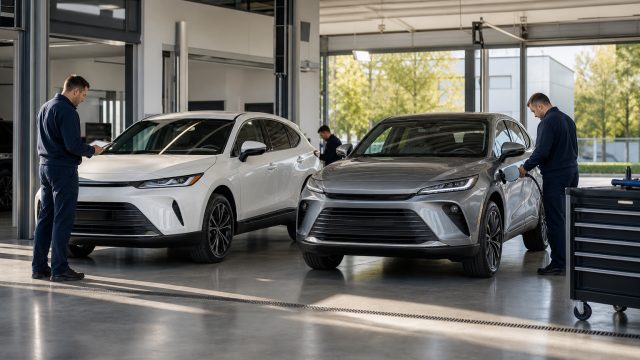
As the automotive landscape shifts towards greener technologies, both Toyota and BYD are positioning themselves firmly in the expanding Plug-in Hybrid Electric Vehicle (PHEV) market. This timely focus on environmental sustainability and innovation reflects a broader effort to meet changing consumer demands and regulatory pressures.
The Growing Importance of PHEVs
PHEVs are becoming a vital player in the transition to sustainable transportation. With their dual capability to run on electric power and traditional fuel, these vehicles provide flexibility and range that conventional electric vehicles (EVs) may not. As concerns about charging infrastructure persist, many consumers find the hybrid model appealing due to its versatility.
Market Trends and Consumer Preferences
- Increased interest in reducing carbon footprints.
- Rising fuel costs motivating the switch to more efficient vehicles.
- Advances in battery technology enhancing PHEV performance.
- Government incentives encouraging hybrid and electric vehicle purchases.
Toyota's Expanding PHEV Lineup
Toyota has long been a leader in hybrid technology with its Prius model, and now it is doubling down on its PHEV offerings. The company plans to roll out several new models that integrate cutting-edge technology for improved efficiency and emissions reductions. This initiative comes at a time when the brand aims to increase its market share and maintain competitiveness in a rapidly evolving industry.
Innovations in Technology
To stay ahead of the competition, Toyota is investing heavily in research and development. Some key innovations include:
- Advanced battery systems that enhance charging speeds and longevity.
- Smart vehicle technologies that optimize energy consumption.
- Increased hybrid range capabilities, allowing for longer electric drives.
BYD's Strategic Expansion
BYD, a Chinese automotive giant, is also making headlines with its aggressive expansion into the PHEV market. With a focus on sustainability, the company aims to enhance its footprint not just in China but globally. Its investments in manufacturing and technology are poised to make BYD a formidable competitor in the PHEV sector.
Global Reach and Ambitions
BYD’s plans include:
- Launching new models tailored to international markets.
- Building partnerships for better supply chain management.
- Establishing production facilities in key regions, such as Europe and North America.
Challenges and Opportunities Ahead
While both companies are optimistic about the future of PHEV vehicles, they face several challenges. The increasing competition from both established and emerging automotive companies could impact market dynamics. Additionally, the ongoing global semiconductor shortage is affecting production capabilities across the industry.
Navigating Market Challenges
To mitigate these challenges, Toyota and BYD are focusing on:
- Strengthening supply chains to ensure consistent production.
- Enhancing customer education about the benefits of PHEVs.
- Innovating marketing strategies to reach new consumers.
Conclusion
The PHEV market is on the brink of significant growth, with both Toyota and BYD leading the charge. Their strategic initiatives and commitment to innovation are not only transforming their business models but also paving the way for a more sustainable automotive future. As consumers become more environmentally conscious, the relevance of PHEVs will only continue to rise, making this moment crucial for manufacturers and consumers alike.
