
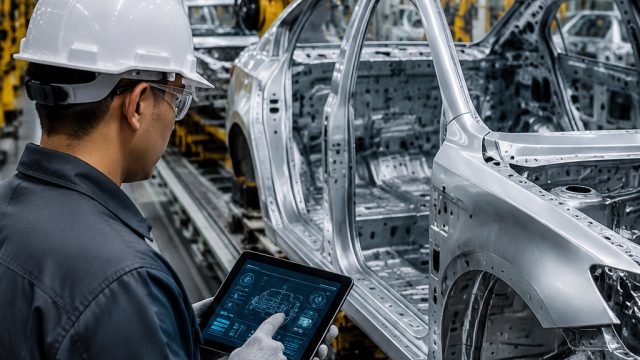
The automotive assembly industry is at a critical juncture. As global trends shift and new technologies emerge, the need for strategic support for this important sector has never been more pressing. Recent discussions underscore the myriad ways in which bolstering this industry can lead to substantial economic benefits, job creation, and innovation.
The Current Landscape of the Automotive Assembly Industry
As we navigate through the complexities of the post-pandemic economy, the automotive assembly sector is facing unprecedented challenges. Supply chain disruptions, labor shortages, and the shift toward electric vehicles are reshaping the landscape. According to industry analysts, these factors necessitate a robust support system to ensure the survival and growth of automotive assembly plants.
Supply Chain Disruptions and Their Impact
- Global Supply Chain Issues: The pandemic has exposed vulnerabilities in global supply chains that many auto manufacturers rely on.
- Cost Increases: Rising costs for materials and components have pressured manufacturers to rethink their operational strategies.
- Longer Production Times: With parts delays, production timelines are often extended, impacting overall efficiency.
Economic Benefits of Supporting the Assembly Industry
Investing in the automotive assembly sector is not merely about preserving jobs; it is about fostering economic growth and innovation. Here are several compelling reasons to prioritize support for this industry:
Job Creation and Retention
Support for the automotive assembly industry often translates into direct job creation. By investing in local manufacturing facilities, governments and private sectors can help:
- Create new job opportunities for skilled workers.
- Enhance job security for existing employees.
- Stimulate local economies through increased spending.
Innovation and Technology Advancement
The automotive industry is at the forefront of technological advancements, especially with the rise of electric and automated vehicles. Supporting this sector leads to:
- Encouragement of research and development initiatives.
- Fostering partnerships between tech companies and automotive manufacturers.
- Enhancing competitiveness in the global market.
Government Initiatives and Funding Opportunities
Recognizing the urgency of the situation, various governments are rolling out initiatives aimed at bolstering the automotive assembly sector. Funding opportunities are being made available to:
- Support innovation in electric vehicle production.
- Facilitate workforce training programs.
- Encourage sustainable manufacturing practices.
Public-Private Partnerships
Collaboration between public and private sectors can lead to significant advancements and funding. These partnerships can:
- Leverage resources for more effective solutions.
- Drive policy changes that benefit the automotive industry.
- Increase competitiveness in the global market.
Looking Ahead: The Future of Automotive Assembly
The future of the automotive assembly industry hangs in a delicate balance, dependent on strategic support and innovation. As consumer preferences evolve towards eco-friendly options, the sector must adapt to thrive. Here’s what the future may hold:
- Increased focus on electric vehicle manufacturing and infrastructure.
- Expansion of automation and manufacturing technologies.
- Heightened emphasis on sustainability and ethical manufacturing practices.
Conclusion: Taking Action Now
The automotive assembly industry plays a pivotal role in the broader economy. As we face pressing challenges and unprecedented changes, it is essential for stakeholders—including government, businesses, and consumers—to rally together in support of this critical sector. By taking action now, we can ensure a vibrant future for automotive assembly, fostering innovation, job growth, and economic stability.
