
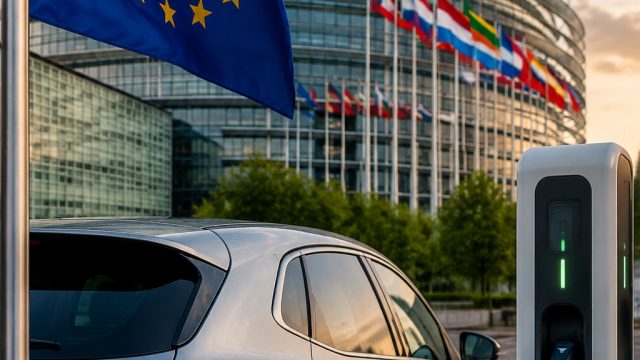
The European Union has recently introduced a groundbreaking regulation aimed at transitioning the automotive sector towards a more sustainable future. This law focuses on enhancing circularity in vehicle manufacturing and recycling processes. However, industry stakeholders are expressing concerns that the regulations may inadvertently favor larger SUVs at the expense of eco-friendly initiatives. As the automotive landscape evolves, the implications of this regulation are crucial for both consumers and manufacturers.
The Essence of the New EU Regulation
At its core, the new EU regulation is designed to promote a circular economy in the automotive sector. This involves several key components:
- Enhanced Recycling: The regulation mandates that car manufacturers implement better recycling practices for end-of-life vehicles.
- Material Recovery: It emphasizes the recovery of valuable materials from scrapped vehicles, reducing waste and resource consumption.
- Eco-friendly Design: Manufacturers are encouraged to design vehicles that are easier to dismantle and recycle, thus minimizing environmental impact.
These measures align with the EU’s broader goals of reducing carbon footprints and fostering sustainability across all sectors. However, the implementation of these rules is not without its challenges.
Industry Pushback: The SUV Debate
Despite the regulation's ambitions, a notable pushback has emerged from the automotive industry, particularly concerning the size and design of SUVs. The growing popularity of these larger vehicles contrasts sharply with the EU's sustainability goals. Industry representatives argue that:
- SUVs are essential for meeting consumer demands.
- The profitability of larger vehicles supports investments in developing greener technologies.
- Regulating SUV size would undermine the competitive landscape of the automotive market.
This tension raises critical questions about the balance between consumer preferences, profitability, and sustainability. As more consumers opt for larger vehicles, the challenge for regulators becomes how to promote eco-friendly practices without stifling industry growth.
The Societal Impact of Larger Vehicles
The increasing prevalence of SUVs has sparked discussions around their environmental implications. Key points include:
- Fuel Efficiency: Larger vehicles typically consume more fuel, leading to higher greenhouse gas emissions.
- Safety Concerns: The rise in SUV popularity has been linked to increased risk of accidents, particularly for pedestrians and smaller vehicles.
- Urban Planning: The dominance of larger cars influences city infrastructure, leading to wider roads and more parking spaces at the expense of pedestrian-friendly designs.
These factors contribute to a complex debate around whether the convenience and status associated with SUVs outweigh their negative environmental and social consequences.
Moving Forward: A Call for Collaborative Solutions
As the automotive industry grapples with these new regulations, the path forward will require collaboration between policymakers, manufacturers, and consumers. Potential solutions could include:
- Incentives for Eco-friendly Vehicles: Establishing financial incentives for consumers who choose smaller, more sustainable vehicles.
- Investment in Technology: Encouraging manufacturers to invest in green technologies that enhance fuel efficiency and reduce emissions.
- Public Awareness Campaigns: Educating consumers about the environmental impacts of vehicle choices and promoting sustainable alternatives.
By fostering dialogue and encouraging innovation, stakeholders can work together to balance economic growth with environmental stewardship.
Conclusion: A Pivotal Moment for the Automotive Industry
The new EU regulation represents a significant step towards a greener automotive future, yet it also highlights the ongoing tension between sustainability and consumer preferences. As manufacturers adapt to these regulations, the ultimate success will hinge on their ability to innovate and respond to the changing landscape. The future of the automotive industry will depend on how well it can reconcile the demands for larger vehicles with the pressing need for sustainable practices. The implications of this regulation extend beyond Europe, offering valuable insights for automotive markets worldwide.
