
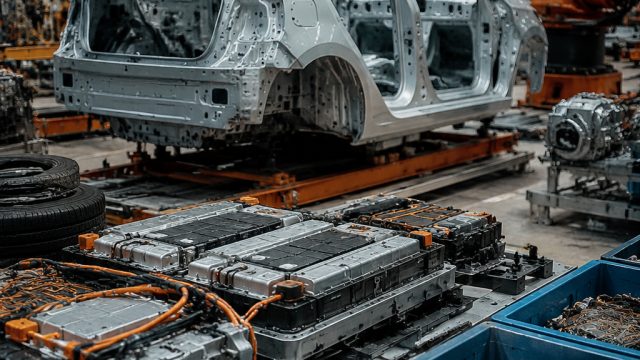
India is embarking on an ambitious journey to establish itself as a dominant player in the electric vehicle (EV) sector. However, recent developments reveal that the country’s localisation efforts are being significantly hindered by supply chain constraints. With the Indian government setting aggressive targets for the production of electric vehicles, the obstacles related to chip shortages and rare-earth material availability pose substantial threats to this vision.
Current State of India's EV Localisation Efforts
The Indian government has initiated various policies aimed at boosting the production of electric vehicles domestically. These initiatives are designed to reduce dependency on imports and strengthen the local manufacturing ecosystem. The objective is to create sustainable and efficient transport solutions while addressing environmental concerns.
Government Initiatives and Incentives
- Production-Linked Incentive (PLI) Scheme: This initiative offers financial incentives to manufacturers who achieve certain production milestones.
- National Electric Mobility Mission Plan: A comprehensive framework aimed at promoting electric mobility in India.
- Investments in R&D: Increased funding for research and development to foster innovation in EV technologies.
Challenges in the Supply Chain
Despite the government's progressive policies, several challenges impede the localisation of EV components:
Chip Shortages
The global semiconductor shortage continues to plague various industries, and the automotive sector is no exception. A significant portion of electric vehicle systems relies on microchips, which are in short supply. This causes delays in manufacturing and delivery schedules, directly impacting the EV market.
Rare-Earth Materials
Rare-earth metals are essential for the production of batteries and electric motors. With increasing demand worldwide, their scarcity is becoming a critical issue. India has limited access to these resources, which complicates the localisation efforts further. As a result, manufacturers must either find alternative materials or depend on imports, which contradicts the localisation objectives.
Implications for the Automotive Industry
The repercussions of these supply chain challenges extend beyond just the electric vehicle segment. They affect the entire automotive ecosystem, influencing everything from production timelines to consumer adoption rates.
Impact on Manufacturers
- Increased Costs: Supply chain disruptions lead to higher operational costs for manufacturers.
- Production Delays: Inability to procure necessary components in time can delay vehicle launches.
- Market Competitiveness: Delays in localisation may diminish India's competitiveness against other nations in the EV market.
Consumer Effects
For consumers, these supply chain issues may lead to longer wait times for new electric vehicle models and potentially higher prices as manufacturers pass on increased costs. This could also stifle the growth of the EV market in India, as consumers may remain hesitant to make a purchase amidst uncertainty.
Looking Ahead: Strategies for Overcoming Challenges
Addressing the current supply chain crises will require collaborative efforts from the government, manufacturers, and industry stakeholders:
Strengthening Local Supply Chains
Investing in domestic production of critical raw materials is vital. By developing local sources for batteries and components, India can reduce its reliance on imports and enhance its EV manufacturing capabilities.
Encouraging Research and Innovation
Fostering an environment conducive to innovation in EV technology can lead to breakthroughs in alternative materials and efficient production techniques, thereby alleviating some of the pressures on supply chains.
Building Partnerships
Establishing strategic partnerships with global suppliers can provide Indian manufacturers with better access to the necessary components while mitigating risks associated with supply shortages.
Conclusion
The road ahead for India's EV localisation efforts is fraught with challenges, particularly concerning supply chain disruptions caused by chip shortages and rare-earth material scarcity. However, with the right strategies and collaborative approaches, there remains a significant opportunity to turn these challenges into stepping stones toward a more robust electric vehicle ecosystem. It is imperative for all stakeholders involved to remain proactive and adaptable to ensure that India can achieve its ambitious EV targets and become a leader in sustainable mobility.
