
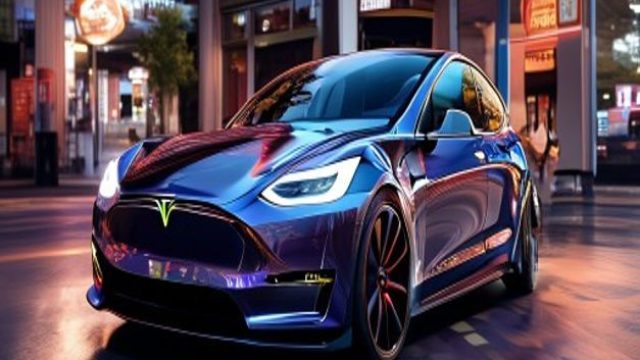
In a striking development for the automotive industry, Tesla has once again claimed the top spot in the prestigious American-Made Index published by Cars.com. This accolade, however, comes at a time of significant transition within the electric vehicle (EV) market, as fewer EV models make their way onto the list of American-made vehicles. The implications of this shift resonate deeply in both consumer preferences and market dynamics.
The Growing Importance of Domestic Manufacturing
As consumers increasingly prioritize American-made products, the significance of the American-Made Index has grown. This year, Tesla's Model Y and Model 3 have topped the list, showcasing the brand's commitment to domestic production and labor.
Why American-Made Matters
- Consumer Preference: More buyers are looking for locally manufactured options.
- Economic Impact: Supporting local jobs and industries is becoming a priority.
- Environmental Concerns: Local production can reduce carbon footprints associated with long-distance shipping.
Fewer EVs in the Running
Despite Tesla's success, the number of electric vehicles featured in the index has noticeably decreased. This reduction raises questions about the overall health and competitiveness of the EV sector in relation to traditional combustion engine vehicles. The changing landscape may be attributed to several factors:
Market Dynamics at Play
- Production Challenges: Supply chain disruptions continue to affect the manufacturing capacity of various automakers.
- Consumer Adoption Rates: While the interest in EVs remains high, many consumers are still hesitant due to range anxiety or charging infrastructure concerns.
- Competition from Legacy Brands: Established automakers are increasingly investing in EV technology, intensifying competition for market share.
What This Means for Consumers
The implications of a tightening EV market mean that consumers might face fewer options when it comes to selecting an American-made electric vehicle. This could steer buyers toward brands that deliver a mix of innovative technology and domestic availability—a balance that Tesla has managed thus far.
Potential Shifts in Consumer Behavior
As the landscape evolves, consumers should consider the following:
- Evaluating Options: Buyers may want to look beyond just Tesla, exploring new entries in the EV space that emphasize local production.
- Financial Considerations: Many consumers are seeking out incentives for electric vehicle purchases, including tax credits and rebates.
- Long-Term Value: Consideration of the vehicle’s longevity and resale value plays a role in decision-making.
Looking Ahead: The Future of Electric Vehicles
As we move forward, the outlook for electric vehicles in the American-Made Index remains uncertain but filled with potential. Traditional firms are rapidly evolving, and new companies are emerging with innovative solutions aimed at disrupting the market. With Tesla currently leading the pack, it will be interesting to observe how they maintain their position amid growing competition.
What Consumers Should Watch For
- New Entries: Keep an eye on upcoming EV models from traditional automakers.
- Technological Advances: Innovations in battery technology and infrastructure may change the game.
- Regulatory Changes: Government policies affecting EV subsidies and supports may influence market dynamics.
Conclusion
Tesla's continued dominance in the American-Made Index highlights its role as a leader in the EV market, yet the decrease in the number of electric vehicles on the list signals a crucial moment for the entire industry. As competition surges and consumer preferences shift, the automotive landscape is poised for transformation. Keeping abreast of these developments will be essential for consumers aiming to make informed decisions in their next vehicle purchase.
