
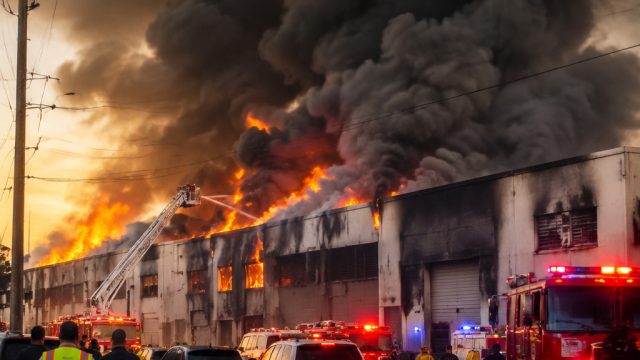
A significant fire at a massive warehouse in Los Angeles has led to serious air quality worries among local residents. The incident, which unfolded at a 500,000-square-foot facility operated by Lineage Logistics, has been compounded by the building's extensive solar panel coverage and dense insulation. As smoke continues to drift through surrounding neighborhoods, many are left wondering about the safety of the air they are breathing.
Understanding the Incident
The fire erupted in a facility that primarily serves as a frozen-food storage warehouse. Initial reports suggest that the insulation material within the warehouse ignited, leading to a prolonged smoldering effect that firefighters struggled to contain. The sheer size of the building, combined with its insulation, has resulted in smoke lingering in the area for several days, creating a potential health hazard.
Firefighter Response and Challenges
- Fire Containment: Firefighters faced significant challenges in extinguishing the blaze due to the unique materials involved.
- Smoke Persistence: The insulation continued to emit smoke even after the initial flames were put out.
- Community Impact: Residents are urged to remain indoors to avoid exposure to the toxic fumes.
Air Quality Concerns and Health Risks
As smoke permeates the surrounding communities, concerns over air quality have reached critical levels. Local authorities have initiated air quality monitoring to assess the potential hazards posed by the smoke. Residents have voiced their worries, with many questioning what harmful substances they may be inhaling as a result of the fire.
Potential Health Impacts
The primary concerns regarding air quality stemming from warehouse fires include:
- Respiratory Issues: Smoke inhalation can lead to serious health complications, especially for individuals with pre-existing conditions.
- Long-Term Effects: Prolonged exposure to smoke may increase the risk of chronic diseases and respiratory problems.
- Immediate Precautions: Residents are advised to use air purifiers and wear masks when going outdoors.
Community Response and Safety Measures
In the aftermath of the fire, local community leaders and health officials are taking proactive measures to ensure the safety of residents. Quick response teams have been deployed to monitor air quality and provide real-time updates to the community. Public health advisories are being disseminated through various channels, urging residents to take precautions.
What Residents Can Do
During this challenging time, community members are encouraged to take several steps to protect themselves and their families:
- Stay Informed: Follow updates from local health authorities regarding air quality and safety recommendations.
- Limit Outdoor Activity: Avoid strenuous activities outside until air quality improves.
- Utilize Resources: Use community resources such as local health clinics for further guidance on health safety.
Looking Ahead: Future Prevention Strategies
This incident underscores the need for increased awareness and preparation for such emergencies, particularly in densely populated areas. As investigations continue, officials are likely to review safety protocols associated with warehouse operations and fire prevention measures to prevent similar occurrences in the future.
Advocating for Better Safety Practices
Moving forward, it is essential for both businesses and local governments to engage in community discussions about fire safety and air quality management. This not only safeguards the health of residents but also promotes a proactive approach to environmental safety.
Conclusion
The Los Angeles warehouse fire serves as a stark reminder of the potential dangers posed by industrial facilities, especially those utilizing hazardous materials. The ongoing air quality concerns highlight the urgent need for heightened safety protocols and community awareness. As residents navigate this challenging situation, it remains crucial for them to stay informed and proactive in safeguarding their health.
