
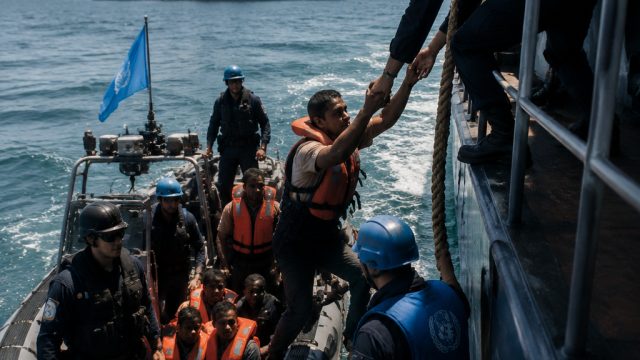
In a critical move to ensure the safety of maritime personnel, the United Nations has initiated an extensive evacuation operation for approximately 11,000 sailors stranded in the volatile Strait of Hormuz. This urgent response comes amid escalating tensions in the region, raising concerns over maritime safety and international shipping routes.
The Background of the Crisis
The Strait of Hormuz, a vital passage for global oil shipments, has become a hotspot for geopolitical conflicts, particularly between Iran and Western nations. Recent events have led to increased military presence and statements from political leaders regarding potential tolls on shipping, igniting fears of further disruptions in one of the world's most critical waterways.
Understanding the Current Tensions
- Geopolitical Stakes: The Strait of Hormuz is critical for the transportation of approximately 20% of the world's oil supply.
- Military Posturing: Increased naval patrols by U.S. forces amidst threats from Iranian factions.
- International Diplomacy: Ongoing negotiations regarding nuclear checks complicate the regional landscape.
UN's Response and Evacuation Plans
The United Nations, recognizing the imminent danger posed to sailors working in the region, has formulated a multi-step evacuation protocol. This plan includes collaboration with local maritime organizations and naval fleets from allied nations to ensure the safe passage of stranded individuals.
Key Elements of the Evacuation Strategy
- Coordination with Maritime Authorities: Working alongside local and international maritime bodies to streamline the evacuation process.
- Safety Protocols: Implementing stringent safety measures to protect evacuees during transit.
- Logistical Support: Utilizing naval vessels and air support for swift evacuations.
Implications for Maritime Safety
As tensions rise, this evacuation highlights urgent concerns regarding maritime safety and the broader implications for global shipping. With the potential for further confrontations in the region, shipowners and operators are advised to stay updated on advisories from the UN and maritime organizations.
What This Means for the Industry
- Increased Insurance Costs: Insurers may raise premiums for vessels operating in high-risk zones.
- Shipping Delays: Evacuations could lead to temporary suspensions of shipping activities, affecting global supply chains.
- Enhanced Security Measures: Companies may need to invest in additional security for their fleets navigating through the Strait.
Conclusion
The UN's decision to evacuate sailors from the Strait of Hormuz is a crucial development in an increasingly tense geopolitical landscape. As the world watches closely, the ramifications of this evacuation could ripple through the maritime industry, affecting everything from shipping costs to international relations. Stakeholders are encouraged to remain vigilant and adaptable in these uncertain times.
