
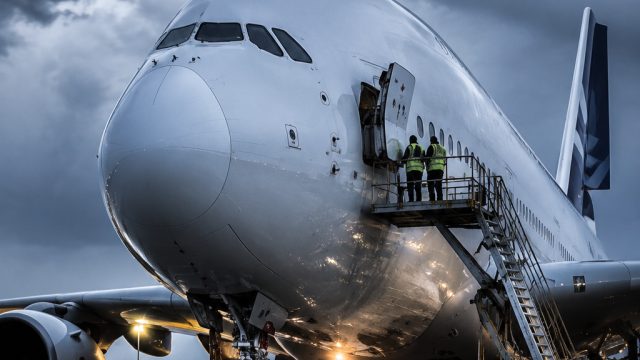
In a significant turn of events for aviation safety, the European Union Aviation Safety Agency (EASA) has mandated urgent inspections for 16 Airbus A380 aircraft, with 15 belonging to Emirates Airline. This directive comes on the heels of alarming findings related to structural integrity, specifically cracks detected in the wing's mid spars. This discovery raises important questions about the long-term maintenance protocols for the world's largest passenger airliner.
The Background: What Prompted EASA's Decision?
Recent inspections revealed structural cracks in crucial components of the A380’s wings, a situation that has prompted EASA to act swiftly. The A380, known for its capacity and luxury, now faces scrutiny regarding its safety and maintenance practices. This situation not only affects the operational integrity of these aircraft but also has implications for passenger safety worldwide.
Implications for Airlines and Passengers
- Airline Operations: Airlines operating A380s may experience disruptions as they comply with the EASA's inspection orders.
- Passenger Confidence: Safety issues can shake passengers' confidence in flying on these aircraft, potentially affecting ticket sales.
- Maintenance Costs: Urgent inspections and necessary repairs could impose significant financial burdens on airlines.
Understanding the Technical Aspects
The A380's unique design and engineering marvels have been both a blessing and a challenge. The aircraft was crafted to offer unparalleled passenger comfort and efficiency, but as with any complex engineering feat, it demands rigorous maintenance and checks. The wing structure, which is fundamental to the A380's flight capabilities, requires diligent monitoring over the lifespan of the aircraft.
What Are Mid Spars?
The mid spars are critical components of an aircraft's wings, providing essential support and stability during flight. Any cracks in these areas can compromise the aircraft's performance, necessitating immediate corrective actions. Thus, EASA's directive for inspections is a proactive measure to avert potential safety hazards.
The Road Ahead: Steps Airlines Must Take
In light of this urgent situation, airlines around the globe must take immediate steps to ensure compliance with EASA's directive. Here are some recommended actions:
- Conduct Comprehensive Inspections: Airlines must prioritize the inspection of all A380 aircraft in their fleet to identify any structural concerns.
- Engage Qualified Personnel: Only certified technicians should perform these inspections to ensure adherence to safety standards.
- Communicate with Passengers: Maintaining transparency with passengers about the safety measures being taken can help reassure them.
- Review Maintenance Protocols: This is an opportune moment for airlines to review and strengthen their maintenance protocols.
Conclusion: Prioritizing Safety in Aviation
The recent EASA directive serves as a timely reminder of the importance of rigorous safety standards in aviation. As airlines navigate the challenges posed by these inspections, the primary focus must remain on ensuring passenger safety and confidence. The implications of these structural inspections will likely resonate throughout the industry for months to come, as stakeholders work collaboratively to uphold the highest standards in aviation safety.
