
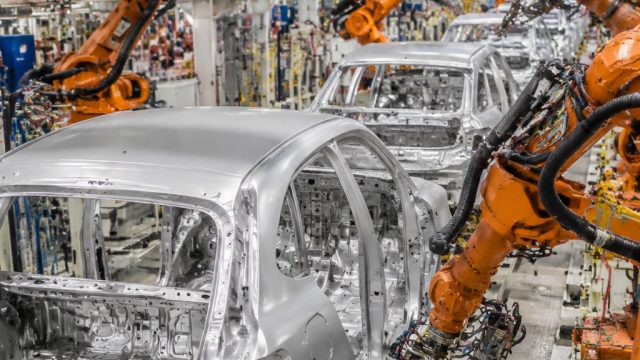
The automotive industry in China is increasingly recognized as a major catalyst for economic recovery. With its vast market and growing demand, the sector plays a crucial role in stimulating consumer spending and driving growth. Recent trends indicate a significant rebound in car sales, suggesting a strong path forward for both manufacturers and consumers.
Understanding the Current Landscape
As the world's largest automotive market, China has faced unique challenges and opportunities in the wake of recent economic shifts. The government's push for electric vehicles (EVs) and sustainable practices has transformed the industry's landscape. Traditional auto manufacturers are now competing with a myriad of startups, making the market more dynamic than ever.
Shifts in Consumer Preferences
- Increased demand for electric and hybrid vehicles
- A trend towards online car purchases and contactless services
- Preference for connected car technologies
These shifts are not only reshaping consumer behavior but also influencing manufacturers to adapt their strategies. Companies are investing significantly in R&D to keep up with evolving demands and enhance their product offerings.
The Role of Government Initiatives
The Chinese government has implemented several initiatives to bolster the automotive sector as part of its broader economic recovery plan. These include:
- Tax incentives for electric vehicle buyers
- Subsidies for manufacturers focusing on green technologies
- Improved infrastructure for EV charging stations
Such policies are designed to not only boost sales but also promote a sustainable future, paving the way for a greener economy.
Market Performance Metrics
Recent reports highlight a resurgence in the automotive market, showcasing impressive sales figures:
- Q3 2023 saw a 15% increase in vehicle sales compared to Q2.
- Electric vehicle sales surged by 30%, reflecting growing consumer interest.
This positive trend is likely to continue as consumer confidence rebuilds and more individuals consider vehicle purchases as a significant investment.
Future Outlook for the Automotive Industry
Looking ahead, the automotive sector in China is poised for further expansion. Analysts predict:
- A continued rise in electric vehicle adoption, targeting over 25% of new car sales by 2025.
- Increased investments in smart transportation technologies, including autonomous vehicles.
- Expansion of partnerships between traditional automakers and tech companies to enhance innovation.
Given these factors, the automotive industry not only serves as a pivotal component of the Chinese economy but also stands as a model for other countries aiming for recovery and growth.
Key Takeaways
In summary, China’s automotive sector is not just about cars; it’s about driving the economy forward. Understanding the trends and initiatives shaping this industry is crucial for stakeholders and consumers alike. The blend of innovation, government support, and evolving consumer preferences provides a robust foundation for sustained growth.
Conclusion
As we witness the automotive industry adapt and thrive amid changing economic landscapes, it becomes clear that now is a critical time for engagement in this sector. Whether you are a consumer or an investor, staying informed about these developments can help you make educated decisions in the fast-evolving automotive space. The future of mobility lies in the hands of those who embrace these changes!
