
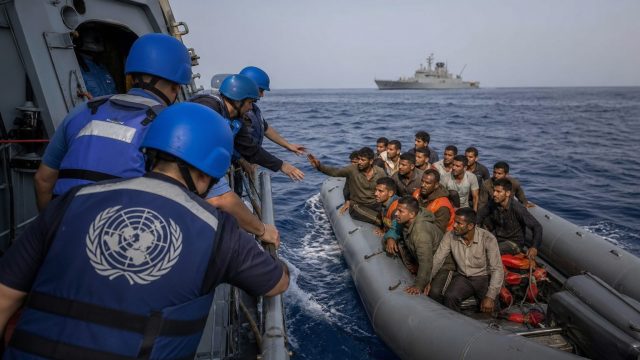
In a critical development, the United Nations has announced plans to evacuate approximately 11,000 sailors who find themselves stranded in the Strait of Hormuz. This maritime situation, which has persisted for several months, has raised alarms not only about the safety of the sailors but also about its potential impact on global shipping routes.
The Background of the Crisis
The Strait of Hormuz is a vital maritime chokepoint, through which a significant portion of the world’s oil supply is transported. The ongoing tension in the region, particularly between Iran and the United States, has contributed to a complex environment that affects both commercial and military maritime operations. As conflicts and diplomatic stalemates continue, thousands of sailors remain trapped aboard various vessels, unable to return home.
What Led to the Current Situation?
- Increased Naval Presence: The heightened military presence in the Gulf has created a precarious environment for commercial shipping.
- Political Tensions: Long-standing disputes over nuclear agreements and sanctions have further complicated maritime security.
- Logistical Challenges: Vessels have faced difficulties in accessing safe ports, leading to prolonged periods of confinement for crews.
The UN's Response
In light of the deteriorating conditions, the UN has mobilized resources to commence the evacuation process, emphasizing the urgency of the situation. The operation aims to ensure the safe return of sailors while addressing their immediate humanitarian needs.
Key Details of the Evacuation Plan
- Timeline: The evacuation is expected to begin within the week, contingent on weather and security assessments.
- Safety Measures: The UN will coordinate with international maritime organizations to enforce safety protocols during the evacuation.
- Support for Families: Assistance will also be provided to families of the stranded sailors, ensuring they remain informed throughout the process.
Global Implications of the Crisis
This crisis could have far-reaching consequences not only for the sailors involved but also for global shipping markets. The Strait of Hormuz is crucial for the transit of oil and gas, and any disruption could lead to spikes in fuel prices and broader economic ramifications.
Potential Economic Impact
As the situation develops, markets are closely monitoring the potential for increased shipping costs, which could affect fuel prices worldwide. Analysts suggest that any prolonged disruption could lead to:
- A rise in oil prices, impacting global economies.
- Increased shipping rates, further straining supply chains.
- Potential shifts in trade routes as companies seek safer passages.
Conclusion
The UN's intervention to evacuate stranded sailors from the Strait of Hormuz signals a critical moment in a complex geopolitical landscape. As the evacuation gets underway, the focus will be on ensuring the safety of those involved while navigating the broader implications for global trade. Stakeholders in the maritime industry, as well as international governments, must remain vigilant as events unfold, knowing that the stability of this vital passage is paramount to global economic health.
