
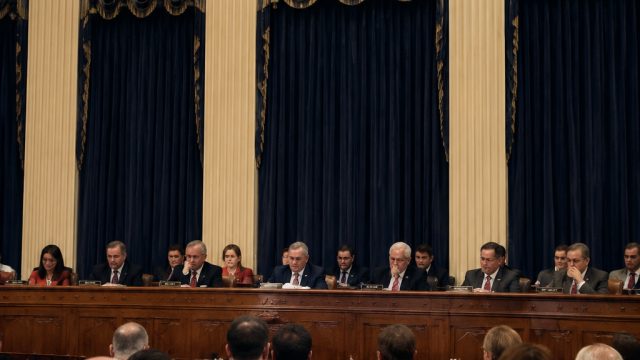
The political landscape surrounding President Donald Trump's approach to Iran is becoming increasingly contentious, especially among Republican lawmakers. As the administration continues to negotiate terms that many view as overly lenient, key figures in Congress are voicing their concerns. This development is crucial as it unveils the complexities within the Republican Party and the broader implications for U.S. foreign policy.
The Growing Divide Within the Republican Party
In recent weeks, a noticeable shift has occurred among Senate Republicans regarding Trump's Iran deal. While traditionally the party has rallied behind the President's foreign policy decisions, dissent is surfacing. Lawmakers who previously supported Trump are now expressing skepticism about the concessions made in the proposed agreement.
Bipartisan Backlash
Former national security adviser Susan Rice has been vocal in her criticism, describing the agreement as 'flimsy' and highlighting the potential dangers of granting excessive concessions to Iran. This sentiment isn't isolated to Democrats; numerous Republican senators are echoing similar concerns, highlighting a rare moment of bipartisan unity in opposition to the deal.
Implications for U.S. Foreign Policy
The current negotiation climate is critical as it may set a precedent for how the United States engages with hostile nations. The consensus among critics is that the terms being discussed could undermine decades of diplomatic efforts aimed at curbing Iran's nuclear ambitions.
Key Concerns Raised by Republicans
- National Security Risks: Many Republicans argue that the concessions could embolden Iran, allowing them to increase their influence in the Middle East.
- Historical Context: The deal could be seen as a reversal of policies established under previous administrations, which focused on sanctions and isolation.
- Political Ramifications: The division within the party could have ramifications for Republican unity heading into upcoming elections.
What This Means for Future Negotiations
The discontent among Republicans is not just a passing phase; it underscores a significant ideological divide that may affect future foreign policy decisions. As Trump continues to prioritize his negotiation strategy, the pushback from Congress could lead to a reevaluation of how U.S. diplomacy is conducted, especially with nations like Iran.
Potential Strategies Moving Forward
To navigate these turbulent waters, Trump might consider the following strategies:
- Engaging more directly with Congressional leaders to ensure bipartisan support for any agreements.
- Reassessing the concessions being offered to Iran to better align with national security interests.
- Involving international allies in discussions to build a coalition that could pressure Iran into compliance.
Conclusion: The Path Ahead
The increasing criticism from Republicans signals a pivotal moment in U.S. diplomacy regarding Iran. As lawmakers express their disappointment and concerns over Trump's current approach, it becomes clear that any future agreements must take into account the growing unease not only within Congress but also among the American public. With foreign policy shaping up to be a key issue in the upcoming elections, how Trump addresses these challenges could define his legacy and the future of U.S.-Iran relations.
