
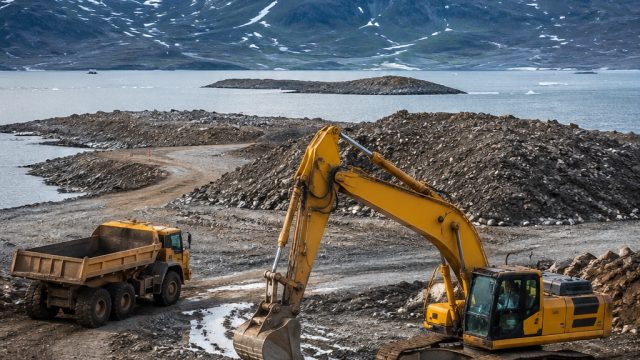
In a significant move that highlights Canada’s commitment to Arctic development, Ottawa is set to announce two major infrastructure projects as being in the national interest. This announcement, anticipated for Wednesday, signifies a pivotal moment in the way the Canadian government is approaching development in the Arctic regions.
Understanding the National Interest Designation
The national interest designation is more than just a title; it allows the government to expedite approvals for key projects, bypassing certain environmental regulations. This initiative falls under the Building Canada Act, which aims to streamline necessary infrastructure improvements across the nation, particularly in remote and underserved areas.
What Projects Are Being Highlighted?
According to sources familiar with the announcement, the Grays Bay road and port project in Nunavut and the Mackenzie Valley highway project in the Northwest Territories are the two projects receiving this national interest status. These projects are crucial for enhancing connectivity and facilitating economic development in regions that have long been isolated due to challenging geography and climatic conditions.
The Grays Bay Road and Port Project
Located in Nunavut, the Grays Bay project aims to construct a road and port that can significantly improve access to the region. Currently, transportation options are limited, making the movement of goods and materials both costly and time-consuming. With this development, local economies are expected to thrive, thereby enhancing the quality of life for residents.
Impact on Local Communities
- Economic Growth: Improved access is anticipated to create job opportunities and stimulate local markets.
- Supply Chain Efficiency: The new road and port will facilitate smoother logistics, making it easier for businesses to operate.
- Resource Development: The project is likely to open up new avenues for resource extraction that were previously unfeasible.
The Mackenzie Valley Highway Project
Similarly, the Mackenzie Valley highway project seeks to establish a reliable road network that will connect various communities along the Mackenzie River. This project promises to enhance trade and travel, fostering a sense of unity among remote populations.
Benefits of the Mackenzie Valley Highway
- Increased Accessibility: The highway will provide better access to healthcare and education services for rural communities.
- Tourism Development: Enhanced infrastructure could lead to increased tourism, benefiting local businesses.
- Environmental Considerations: While streamlining processes, the government has indicated that it will still consider environmental impacts in the project planning stages.
The Importance of Timely Infrastructure Development
As Canada’s northern territories face unique challenges, the swift establishment of infrastructure projects is crucial. The ongoing climate changes are putting pressure on traditional lifestyles and economies, making the need for modernized infrastructure urgent.
Why Now?
The decision to push these projects forward comes at a time when there is increasing scrutiny on government spending and project viability. By designating these initiatives as national interest projects, Ottawa is not only signaling its investment in the North but also attempting to reassure communities that growth and development are on the horizon.
Conclusion: A Future Focused on Growth
Ottawa's announcement regarding the Grays Bay and Mackenzie Valley highway projects represents a critical step toward enhancing infrastructure in the Arctic. It exemplifies a commitment to fostering economic growth while addressing the logistical challenges faced by Northern communities. As these projects unfold, they could reshape the Arctic landscape, making it an area of increased focus for development and investment.
