
The Importance of Regular Inspections
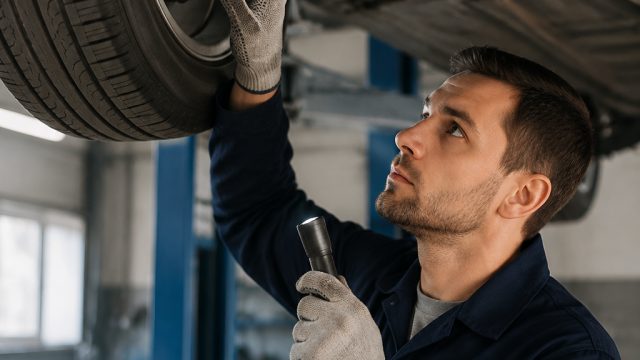
Regular inspections of your vehicle's parts are essential for maintaining safety and performance. Many accidents can be prevented through simple maintenance checks. Let’s explore the top five automotive parts you should inspect regularly to ensure your vehicle is road-ready.
1. Brakes
Your braking system is vital for your safety. Regularly check your brake pads, rotors, and fluid levels. Look out for squeaking noises or a spongy brake pedal, which could indicate that your brakes need attention.
Signs of Brake Wear
Listen for grinding sounds or feel for vibrations when applying brakes. If you notice any of these symptoms, it’s essential to have your brakes inspected immediately.
2. Tires
Inspecting your tires regularly is crucial for safe driving. Check for uneven wear, proper inflation, and adequate tread depth. Maintaining the right tire pressure can improve fuel efficiency and extend the life of your tires.
Tire Tread Depth
A simple way to check tread depth is the penny test. Insert a penny into the tread; if you can see Lincoln's head, it’s time to replace your tires.
3. Lights
Your vehicle’s lights are essential for visibility and safety, especially at night. Regularly check all lights, including headlights, brake lights, and turn signals to ensure they are functioning correctly.
Benefits of Proper Lighting
Properly functioning lights not only help you see but also ensure that other drivers can see you, reducing the risk of accidents.
4. Fluids
Regularly checking your vehicle’s fluid levels—oil, coolant, brake fluid, and transmission fluid—can prevent overheating and other issues. Low fluid levels can lead to decreased performance and significant damage.
Fluid Checks
Consult your owner’s manual for specific recommendations on how often to check each fluid and how to top them off correctly.
5. Battery
Your vehicle’s battery is crucial for starting the engine and powering electrical components. Check for corrosion on battery terminals and ensure that the connections are tight. A weak battery can leave you stranded, so it’s vital to assess its condition regularly.
Battery Lifespan
Most car batteries last between three to five years. If your battery is approaching this age, consider having it tested for efficiency.
Conclusion
Regular inspections of these essential automotive parts are critical for your vehicle’s safety and performance. Make it a priority to check these components frequently and consult with a professional if you notice any issues. A well-maintained vehicle not only prolongs its lifespan but also keeps you and your loved ones safe on the road.
