
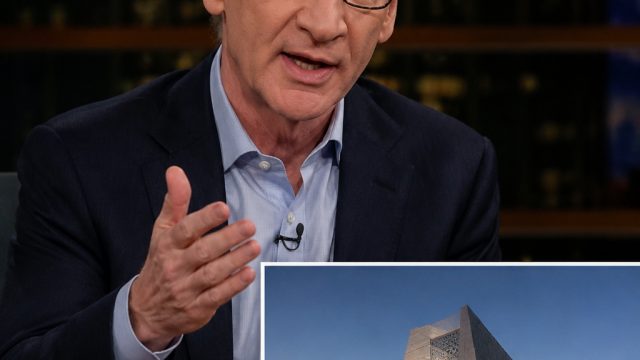
The opening of the Barack Obama Presidential Center in Chicago has generated considerable buzz, and not just for its ambition and location. On June 18, A-list celebrities gathered to celebrate its launch, but it was comedian Bill Maher who provided a pointed critique that raised eyebrows. His remarks about the center's architectural design have sparked a debate about aesthetic values and cultural significance in modern landmarks.
Celebrity Attendance Highlights the Center’s Significance
With prominent figures like Oprah Winfrey, Tom Hanks, and Stephen Colbert in attendance, the event was not merely a ceremonial opening; it symbolized a cultural gathering of influential personalities. However, what has caught the attention of both supporters and detractors is Maher's humorous yet scathing comparison of the center to an alien structure. His comments suggest a deeper commentary on how public architecture resonates with community identity.
Public Reaction to Maher's Comments
Maher’s remarks have led to mixed reactions from the public and critics alike. Some argue that his observation is an essential part of the discourse surrounding architectural design, while others feel that his critique disregards the center's symbolic importance. The public's response can be categorized into several key viewpoints:
- Supporters of Maher: They contend that humor often highlights the absurdities of contemporary architecture.
- Defenders of the Center: Many believe that the structure represents a new era of political and cultural dialogue, embodying hope and progress.
- Apathetic Observers: Some individuals feel indifferent, viewing architectural debates as trivial compared to pressing societal issues.
The Architectural Debate: Why It Matters Now
In an era where architecture increasingly reflects cultural values, Maher's comments have ignited a larger discussion. As cities evolve and adapt to changing demographics and needs, the question of how public spaces should be designed becomes even more pertinent. The Obama Center, with its modern design and purpose, raises interest not only in its aesthetic appeal but in its role as a community hub.
Impact on Community Identity
Maher's critique touches on a crucial aspect of architectural design: the relationship between a structure and its surrounding community. The Obama Center aims to provide educational resources and serve as a venue for public discourse. This connection between architecture and community engagement is vital, particularly in today's polarized environment.
Modern Architecture’s Role in Society
The ongoing debate surrounding the Obama Center’s design calls into question what we expect from modern architecture. Should buildings primarily reflect the cultural heritage of a community, or should they challenge traditional aesthetics? Maher's comments serve as a catalyst for deeper discussions about the responsibilities of architects and the impact of their designs on community identity.
Exploring the Future of Architectural Design
As we look ahead, several trends in architecture will likely influence public perception:
- Minimalism Versus Expressionism: The balance between functional simplicity and expressive design will continue to be debated.
- Sustainable Practices: As environmental concerns grow, sustainable architecture is becoming a priority for new projects.
- Community-Centric Designs: Future projects may prioritize community engagement over iconic status.
Conclusion: A Catalyst for Reflection
Bill Maher's comments regarding the Barack Obama Presidential Center serve as a reminder that architecture is not merely about buildings but also about the narratives they convey. As society grapples with issues of identity, culture, and purpose, the structures we create will continue to reflect and influence these conversations. Whether one agrees with Maher's perspective or not, it is clear that the Obama Center has become a focal point for broader discussions about what we value in our public spaces.
