
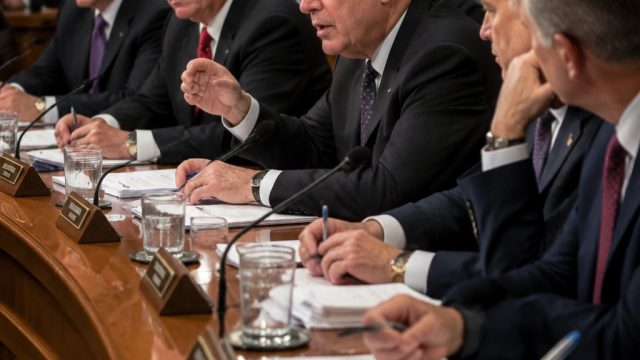
In a significant move reflecting changing attitudes towards military engagement, the U.S. Senate has passed a resolution aimed at limiting the president's powers regarding military actions in Iran. This development comes amidst ongoing debates about U.S. involvement in foreign conflicts and highlights the delicate balance of authority between Congress and the executive branch.
The Resolution Explained
The Senate's resolution, which mirrors a similar measure previously approved by the House, calls for a reduction of military forces in Iran and seeks to curb future hostilities. This symbolic gesture is more than just a rebuke of former President Trump's policies; it signals a growing concern among lawmakers about unchecked military authority.
Background on U.S. Military Involvement in Iran
For years, the U.S. has been engaged in a complicated relationship with Iran, characterized by tensions and military interventions. Following Trump's presidency, which included a controversial withdrawal from the Iran nuclear deal and an increase in hostilities, many lawmakers are advocating for a more restrained foreign policy.
Why This Matters Now
The passage of this resolution is particularly timely as the Biden administration continues to navigate the intricate dynamics of international relations. With rising global tensions and potential military conflicts on the horizon, the Senate's decision emphasizes the need for diplomatic approaches rather than military solutions.
Implications for Future U.S. Policies
- Increased Congressional Oversight: This resolution may lead to more regular oversight of military engagements, ensuring that Congress plays a crucial role in decisions about deploying forces.
- Shift in Military Strategy: By curbing presidential powers, the resolution advocates for a reevaluation of U.S. military strategies, prioritizing diplomacy and negotiation over force.
- Public Sentiment: As citizens express growing concerns about foreign military engagements, lawmakers are responding to these sentiments, which could influence future elections.
Reactions from Lawmakers
The resolution has garnered mixed reactions among lawmakers. Supporters argue that it is a necessary step towards accountability and a more peaceful approach to international relations. Critics, however, warn that it may embolden adversaries and undermine U.S. military credibility.
What Next?
As the political landscape evolves, it remains to be seen how this resolution will affect U.S. foreign policy in the coming years. Will this be a turning point in how military actions are authorized? Or will it simply be a fleeting moment in the broader context of American governance? One thing is certain: the discussion around military authority and foreign policy is far from over.
Conclusion
The Senate's recent decision to limit the president's war powers regarding Iran marks an important moment in U.S. political history. As lawmakers emphasize the importance of collaborative governance, the focus on reducing military engagements may signal a new era of diplomacy in global affairs. Staying informed about these developments is essential for understanding the future trajectory of U.S. foreign policy and military strategy.
