
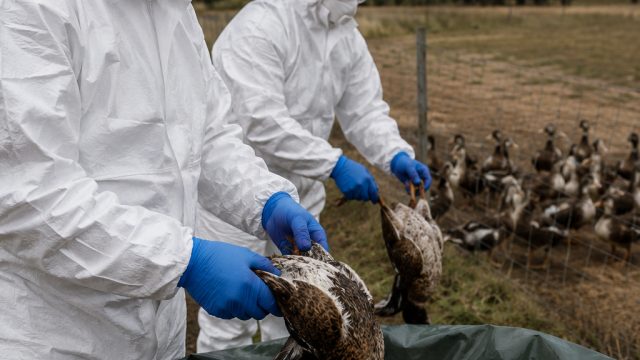
Australia is currently facing a significant public health concern as the H5N1 bird flu virus has been confirmed in South Australia. This alarming outbreak has implications not only for wildlife but also for human populations, especially as additional cases are being investigated in other states. The recent events underscore the importance of awareness and precaution in both wildlife and public health sectors.
Understanding the H5N1 Virus
The H5N1 avian influenza, commonly known as bird flu, has been a global concern for many years due to its potential to infect humans and cause severe illness. This strain is particularly deadly for birds, often leading to mass die-offs in affected species. As migratory seabirds travel from various regions, they can carry the virus, posing a risk of transmission to local bird populations and, eventually, to humans.
How H5N1 Spreads
- Direct Contact: The virus primarily spreads through direct contact with infected birds or their droppings.
- Environmental Exposure: Contaminated surfaces or environments can also facilitate the spread of H5N1.
- Airborne Transmission: In some cases, the virus can become aerosolized, allowing it to spread through the air.
Current Situation in Australia
Recently, the situation escalated when a migratory seabird, specifically a petrel, tested positive for H5N1 in South Australia. This case marks the second confirmed instance of the virus in the region. Additionally, reports of a third suspected case have emerged from Western Australia, where a southern giant petrel was discovered in the Quindalup area. As the Australian government and wildlife agencies monitor these developments closely, the urgency for public awareness increases.
Potential Impacts on Public Health
Public health agencies are particularly concerned about the implications of these findings. While the transmission of H5N1 to humans is rare, it is not impossible. Previous outbreaks around the world have shown that when H5N1 infects people, it can result in severe illness or even death. Therefore, it is crucial for individuals in affected areas to remain vigilant and take necessary precautions.
What You Can Do to Stay Safe
As news of the bird flu outbreak unfolds, it is essential for the public to stay informed and take certain measures to mitigate risks:
- Avoid contact with wild birds, especially if they appear sick or are found dead.
- Report any unusual bird deaths to local wildlife authorities.
- Practice good hygiene; wash hands thoroughly after any outdoor activity.
- Stay updated on local health advisories regarding avian influenza.
Wildlife Conservation Efforts
In light of this outbreak, wildlife conservation efforts will play a crucial role in controlling the spread of H5N1. Conservationists are urging for increased monitoring of bird populations, especially migratory species known to be carriers of the virus.
Additionally, vaccination programs for domestic poultry may be considered to prevent potential spillover into human populations. Ensuring the health of wildlife is not only critical for biodiversity but also for protecting human health in the long run.
Conclusion: The Importance of Awareness and Action
The confirmation of bird flu in South Australia and suspected cases in Western Australia highlight the urgent need for public awareness and proactive measures to protect both wildlife and human health. By staying informed and taking necessary precautions, individuals can contribute to community health and safety during this concerning time. As the situation evolves, continued monitoring and responsible action will be key to mitigating the risks associated with this outbreak.
