
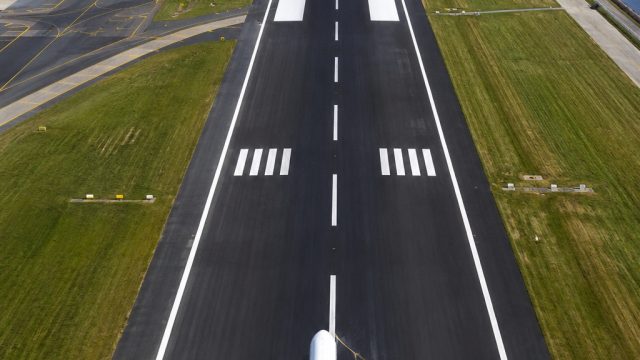
Dublin Airport has recently inaugurated its £270 million North Runway, a significant milestone in aviation infrastructure. This ambitious project is not just a new strip for landing and takeoff; it symbolizes the future of air travel efficiency and capacity management. As the demand for air travel surges, this expansion could not have come at a better time.
Understanding the Need for Expansion
With air traffic recovering post-pandemic, airports worldwide are grappling with how to efficiently manage increased passenger volumes. The new North Runway at Dublin Airport is a strategic response to this pressing need, designed to handle an additional 10 million passengers annually.
Capacity Challenges in Modern Aviation
- Rising passenger numbers have strained existing infrastructure.
- Delays and congestion are common in many airports.
- New regulations demand higher efficiency and safety standards.
The Role of the North Runway
The North Runway is set to alleviate some of these challenges by providing a dedicated facility that enhances operational efficiency. Key features include:
- 3,100 meters in length, accommodating larger aircraft.
- Advanced navigation and safety systems to streamline operations.
- Improved access for passengers and cargo.
Innovative Construction Practices
Building the North Runway was an endeavor marked by innovation and resilience. The project was completed within budget and on schedule, overcoming numerous challenges along the way.
Methodologies Adopted
A team of experts implemented cutting-edge construction methodologies that ensured minimal disruption to existing airport operations. Some of these include:
- Utilizing drone technology for site surveys and monitoring.
- Employing eco-friendly materials to reduce the carbon footprint.
- Incorporating modular construction techniques for quicker assembly.
Impact on Air Travel and Local Economy
The opening of the North Runway is expected to have wide-ranging effects, not just for air travelers but also for the local economy.
Boosting Tourism and Business Travel
With increased capacity, airlines can introduce more flights, directly benefiting tourism and business sectors in Dublin. Economic projections suggest:
- Job creation in both aviation and tourism industries.
- Increased revenue for local businesses catering to travelers.
- Enhanced connectivity promoting international trade.
Environmental Considerations
While expanding capacity is essential, it's equally important to consider environmental impacts. The North Runway's construction included:
- Noise reduction measures to protect surrounding communities.
- Wildlife conservation initiatives around the airport.
- Investment in sustainable technologies to minimize carbon emissions.
Looking Ahead: The Future of Dublin Airport
The North Runway represents a pivotal moment for Dublin Airport as it aligns itself with global trends in aviation infrastructure. As air travel evolves, the airport plans to continue enhancing its services, focusing on technology, customer experience, and sustainability.
Future Plans
In the coming years, passengers can expect:
- More direct international routes, making travel more accessible.
- Upgraded facilities to improve the overall passenger experience.
- Ongoing community engagement to address local concerns.
Conclusion
The North Runway at Dublin Airport is not merely an expansion; it is a bold step toward a more efficient and sustainable future in air travel. The project underscores the airport's commitment to meeting the demands of the next generation of travelers while also addressing concerns about environmental impacts and community relations. As the travel landscape continues to change, Dublin Airport is poised to lead the way in innovation and efficiency.
