
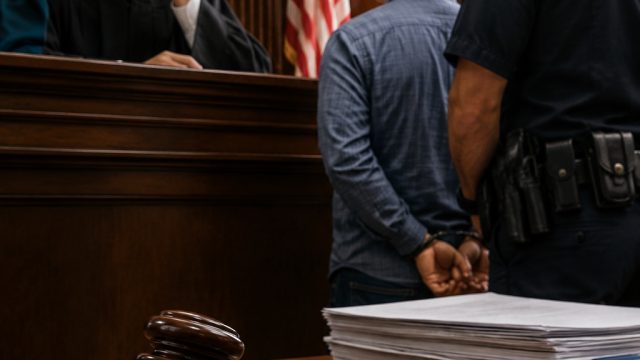
A federal judge's recent ruling has put a significant halt to a contentious immigration policy that allowed U.S. Immigration and Customs Enforcement (ICE) agents to make arrests in courthouses. This decision has critical implications for the rights of immigrants seeking legal recourse in the United States.
The Ruling: What It Means for Immigrants
The judge's ruling came as a response to mounting concerns about the impact of ICE's courthouse arrests on vulnerable populations. Immigrants often fear attending court proceedings — whether related to criminal matters, family law, or civil cases — because of the potential for detention. This chilling effect has raised alarms among advocacy groups and legal professionals who argue that it undermines the judicial process.
Background of the Controversial Policy
- Introduced during the Trump administration, the policy aimed to increase enforcement actions at courthouses.
- Critics argued it targeted individuals seeking justice while creating fear in already marginalized communities.
- Legal representatives pointed out that victims and witnesses of crimes could avoid testifying due to fear of arrest.
Immediate Impact of the Judge's Decision
This recent ruling effectively vacates the policy, providing a sense of relief to many who have been apprehensive about seeking legal assistance. By blocking ICE from carrying out arrests in courthouses, the judge has reaffirmed the necessity for a safe environment for all individuals engaging with the legal system.
Why This Ruling Matters Now
As the nation grapples with ongoing debates surrounding immigration reform, this ruling is particularly significant. It comes at a time when many immigrant communities are feeling vulnerable. Legal experts emphasize the importance of maintaining trust in the judicial system, especially in periods of heightened scrutiny and changing policies.
Effects on the Judicial Process
Fear of arrests has a direct correlation to non-participation in legal proceedings, which can lead to:
- Increased rates of unreported crimes, as victims avoid seeking help.
- Challenges in the legal process, as key witnesses may opt out of testifying.
- Long-term impacts on community safety and cohesion.
Legal and Advocacy Responses
In light of this ruling, various advocacy groups have called for continued vigilance and policy reform to protect immigrant rights. Legal entities are preparing to support affected populations by:
- Offering free legal clinics to assist immigrants navigating the system.
- Raising awareness about rights when interacting with law enforcement.
- Campaigning for permanent legal protections against such enforcement tactics.
Next Steps and Community Support
With this ruling in place, many are optimistic about the potential for creating a safer environment for immigrants. Community organizations are encouraged to collaborate with legal experts to ensure that all individuals are informed about their rights and the legal protections now available to them.
Engagement and Mobilization
As communities rally around this decision, mobilization efforts will likely increase, focusing on:
- Educating immigrants about their rights in legal settings.
- Advocating for further legal reforms that protect vulnerable populations.
- Encouraging dialogue between law enforcement and the communities they serve.
Conclusion: A Step Towards Justice
The recent court decision marks a significant moment in the ongoing struggle for immigrant rights within the U.S. legal system. By preventing ICE from carrying out arrests in courthouses, the judiciary has taken a crucial step towards ensuring that all individuals can seek justice without fear. As communities champion this cause, it is essential to recognize the broader implications of such rulings on the future of immigration policies and legal protections.
